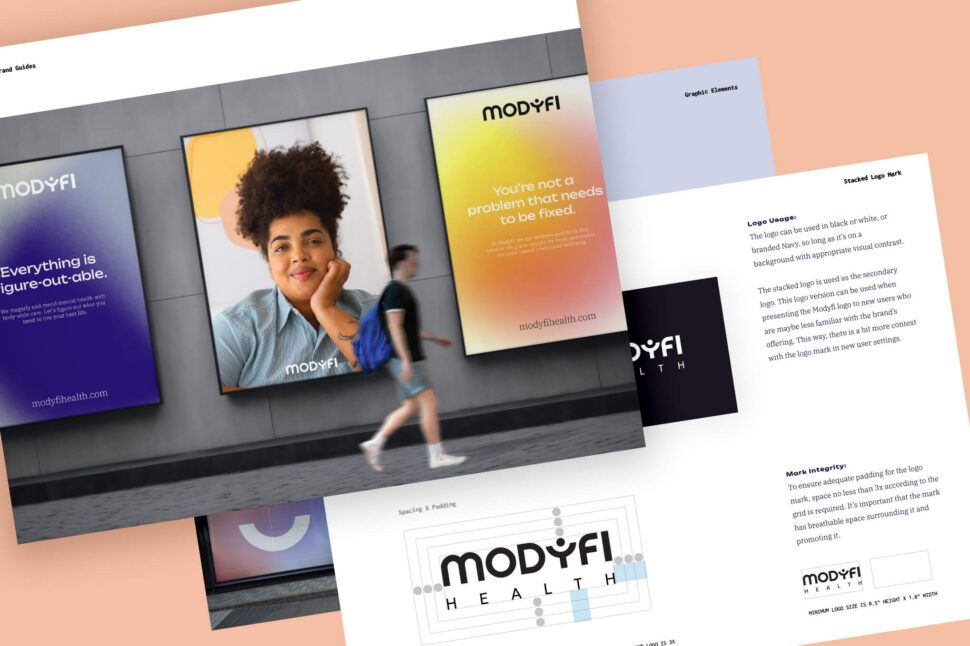
5 Steps for Rebranding to Enter New Markets
Quick Summary
Breaking into a new market involves more than changing your brand's visual identity; it's about forging a meaningful connection with a new audience. A successful rebranding effort should focus on building trust, aligning with local preferences, and maintaining consistency across all brand interactions. To rebrand effectively, there are five key steps to follow. First, conduct thorough research on the new market to understand the target audience, competitors, and specific market trends, as inadequate research is responsible for 65% of expansion failures. Next, define clear goals and a strategy to ensure that the rebranding efforts are measurable and aligned with the brand's objectives. These steps are crucial for establishing a strong presence and resonating with the new market.
Breaking into a new market requires more than just a fresh logo – it’s about reshaping how your brand connects with a new audience. A successful rebrand builds trust, aligns with local preferences, and ensures consistency across all touchpoints. Here’s a quick summary of the five steps to rebrand effectively:
- Research the New Market: Understand your target audience, competitors, and market-specific trends. Poor research causes 65% of expansion failures.
- Define Goals and Strategy: Set measurable objectives like improving brand recognition or localizing content.
- Build a New Brand Identity: Update visual and verbal elements to reflect local expectations while maintaining core values.
- Get Everyone on Board: Train internal teams and align external partners to ensure consistency.
- Launch and Track Results: Roll out in phases, monitor performance, and adjust based on metrics like brand awareness and customer feedback.
Rebranding isn’t just a design change – it’s a business transformation. Done right, it can boost revenue and help you stand out in competitive new markets.
Step 1: Research the New Market
Before diving into a rebrand, it’s critical to understand the market you’re entering. A staggering 65% of failed expansions happen because of poor pre-entry research, not because of execution issues. Without this groundwork, even the best strategies can fall apart.
Your research should focus on three main areas: your target audience, your competition, and any potential barriers. Each of these will guide your rebranding decisions. For instance, back in August 2025, the French fast-casual chain BCHEF expanded into Lille, Poissy, and Clermont-Ferrand. Their strategy? A localized flyering campaign that distributed over 18,600 flyers featuring QR codes and tailored messaging. The result? Over 300 new customers, with nearly half redeeming the flyers in the first week.
“Arguably the most critical step in breaking into new markets, research will underpin the strategic development and operational execution of the brand expansion.” – Tim Brown, Brandfolder
The numbers reinforce this: 76% of consumers prefer products with information in their native language, and 75% are more likely to buy from brands offering regionally relevant experiences. This initial research phase sets the stage for every decision you’ll make moving forward.
Identify Your Target Audience
It’s tempting to recycle your existing buyer personas, but that’s a mistake. 70% of global expansion failures are linked to poor understanding of local culture and a lack of localization strategy. Instead, build market-specific personas by analyzing:
- Demographics: Age, gender, income levels, education, and job roles.
- Psychographics: Values, interests, lifestyles, and buying behaviors.
- Geographics: Urban vs. rural areas, climate, and specific locations.
Take LinkedIn as an example – it’s less effective in Japan because self-promotion clashes with cultural norms, while in China, WeChat is indispensable. A PESTLE analysis can help you dig into the social and cultural nuances shaping your new audience. By understanding not just who your audience is but how they think and act, you’ll make smarter choices for your messaging and design.
Study Your Competitors
Competitor analysis is another critical piece of the puzzle. Group competitors into three categories: direct competitors (same products and audience), indirect competitors (different solutions for similar problems), and local players dominating specific regions.
A great example of this is Ukrainian security manufacturer Ajax Systems. In September 2025, they entered the Italian market after analyzing local competitors. They noticed Italian security companies leaned heavily on regional partnerships rather than national distributors. Ajax responded by creating a network of 32 local partners, helping them expand into over 187 countries.
Use a SWOT analysis to identify gaps in competitors’ strategies, such as weak multilingual support or irrelevant messaging. Tools like SEMrush or SimilarWeb can reveal competitors’ traffic sources and marketing strategies. Customer reviews can also highlight frustrations that your rebrand could address.
Here’s a quick breakdown of what to analyze:
| Evaluation Category | Data Points to Analyze | Strategic Goal |
|---|---|---|
| Brand Positioning | Tone of voice, visual identity, brand promise | Refine your Unique Value Proposition (UVP) |
| Product/Service | Features, pricing, packaging | Spot gaps in the market |
| Customer Experience | Support channels, UX design, localized content | Stand out with better service |
| Marketing Strategy | Ad channels, social media, PR | Avoid copycat tactics and find new angles |
Competitor insights will directly influence how you shape your brand identity and stand out in the market.
Review Market Trends and Entry Barriers
Finally, evaluate both the opportunities and challenges of entering the market. Even if a market looks promising, factors like regulatory hurdles, operational challenges, or infrastructure issues can derail your efforts.
Use platforms like Statista, Nielsen, and Euromonitor to gather data on consumer behavior and market trends. Tools like Google Trends and SurveyMonkey can help fine-tune your understanding of buyer preferences. Looking for other tools? Check out Jotform for a few SurveyMonkey alternatives. For regulatory insights, check World Trade Organization (WTO) reports for details on certifications, labeling, and import rules.
Pilot programs are a smart way to test your rebrand before a full-scale launch. For instance, payment preferences vary widely – eWallets dominate in Indonesia, while other regions may favor government-supported systems. Pricing strategies can also benefit from tools like the Big Mac Index or Starbucks Index to gauge local purchasing power.
The stakes are high: 70% of international expansions fail to meet ROI targets within three years, and the average cost of failure is $60 million, excluding damage to the brand. Skipping thorough research is simply not an option if you want to succeed.
The insights you gather here will be the backbone of your goals and rebranding strategy in Step 2.

Step 2: Define Your Goals and Strategy
After completing your market research, it’s time to transform that data into specific, measurable goals. Without clear objectives, your rebranding efforts could lose direction. For example, 76% of consumers prefer products with information in their native language. This underscores the importance of setting goals that prioritize localization and relevance for your new audience.
Start by pinpointing the core challenge your brand faces. Is your current image outdated? Are you trying to connect with a new demographic or increase brand recognition in untapped markets? Your goals should directly address these issues. If your research reveals that customers value culturally relevant experiences, make it a priority to localize your content across all customer interactions.
Next, define your “North Star” – a clear positioning statement that will guide every decision you make. This statement should outline how you want your brand to be perceived in the new market. Craft a structured promise that highlights a measurable benefit and emphasizes what sets you apart. For instance, avoid vague claims like “We’re the best.” Instead, focus on delivering a specific value that resonates with your audience.
Set baseline metrics to track your progress. Metrics like Net Promoter Score (NPS), brand recall, website traffic, and market share can help you measure the impact of your rebrand. Research shows that companies with strong internal brand alignment experience a 20% to 25% boost in brand consistency and customer trust across markets. Regularly review these key performance indicators – perhaps on a quarterly basis – to assess progress in areas like brand sentiment and market penetration.
Don’t overlook the importance of involving your internal team early in the process. When employees are aligned with the new vision, they naturally become advocates for the brand. Conduct an audit of any existing inconsistencies (referred to as “brand debt”) and set goals to standardize your branding. As Jason Vaught from SmashBrand warns:
“A rebrand often fails because of a sloppy rollout. One wrong move and you confuse customers, lose trust, or stall momentum”.

Step 3: Build a New Brand Identity
Rebranding isn’t about wiping the slate clean – it’s about evolving to stay relevant. A brand that resonates with today’s culture can drive stronger consumer connections and engagement. Updating your identity thoughtfully shows that your brand is adaptable and forward-looking, all while maintaining the trust you’ve already earned. The next step is to refine your brand’s visual and verbal elements so they align with what your audience expects.
Update Visual and Verbal Elements
Start by pinpointing which visual and verbal aspects need a refresh. Your logo, color scheme, typography, and imagery should reflect modern design trends. Take Pfizer‘s 2021 rebrand as an example – they incorporated a DNA double helix into their logo to highlight a renewed, science-driven identity.
When selecting colors and fonts, consider their cultural significance and how well they support multilingual content. Choose fonts that are visually appealing and compatible with various languages and scripts. These updates should align with the localization and branding goals you’ve already established.
Your verbal identity, including messaging, tone, and storytelling, needs equal attention. Instead of simply translating content, use transcreation to capture cultural subtleties and humor while maintaining your brand’s voice. Katrina Balmaceda, a Former Accounts Director, emphasizes the importance of consistency:
“Decide in advance the non-negotiables for your brand. These might be the tone, standards, visual style, values, or other marketing components. Whatever they are – these must remain consistent across all your localized content.”
Consistency matters – a uniform brand presentation across all platforms can boost revenue by up to 23%.
Focus on User Experience Design
Your digital presence should reflect your updated brand identity. Design user interfaces that are clean, responsive, and adaptable to different languages. Flexible content modules are essential for accommodating diverse markets.
Before launching, test your new designs with real users. UX/UI testing ensures your visuals and messaging resonate as intended. Even operational touchpoints like invoices and order confirmations should reflect your rebrand. Collaborating with experienced design professionals can help you get this right.
Partner with Visual Soldiers for Design Solutions
Rebranding for specific markets often requires expert assistance. Visual Soldiers, a creative agency based in Atlanta, specializes in branding, web design, UX/UI design, and development. Their team conducts thorough research, including site visits, surveys, and stakeholder interviews, to ensure your rebrand feels authentic to your target audience.
Visual Soldiers offers a range of services, from branding and web design to custom development and ADA compliance. Whether you’re planning a full overhaul or a subtle refresh, their approach ensures your brand identity works seamlessly across platforms – from massive billboards to tiny app icons. As the agency describes:
"A brand refresh is a subtle yet impactful transformation that involves updating the visual and experiential elements of a brand... maintaining the core identity while making it more relevant and appealing to the current market environment."
Step 4: Get Everyone on Board
After crafting your new identity, the next step is ensuring everyone – inside and outside your organization – is aligned. Consistency is key to a successful rebrand, but achieving it can be a challenge. Did you know that 82% of marketers have worked on a rebranding project, yet 26% of them struggle with internal buy-in? Add to that the fact that the average rebrand involves updating 215 assets and takes about seven months to complete. Without proper coordination, outdated materials can creep back in, and inconsistent messaging can derail the entire effort.
As Brickhouse Create puts it:
“A rebrand fails when you treat it as a design project rather than a business transformation.”
This process is about much more than just a new logo or tagline. It’s about equipping your team to live and breathe the brand in their daily work. To make this happen, you need strategic training, clear communication, and support for both internal teams and external partners.
Train Your Internal Team
Before unveiling your rebrand to the world, roll it out internally. This gives employees the chance to understand the new identity, messaging, and the rationale behind the shift. It’s also an opportunity to explain how the rebrand will benefit customers, support growth, and impact their roles [5,25,37,39]. Different teams will need customized resources: sales teams might need refreshed pitch decks, while customer service teams will rely on updated scripts to maintain consistency [25,26].
Take Peregrine Hospitality, for example. Formerly known as KSL Resorts, they rebranded across more than 90 properties. By centralizing over 80,000 new brand assets using Bynder’s Digital Asset Management platform and creating tailored resource hubs for each department, they saw a 63.5% increase in user adoption of brand materials within the first year. Their launch also reached over 49 million people.
To make the transition smoother, appoint brand champions in every department. These advocates can help their peers adapt to the changes. Also, update your onboarding process so new hires are introduced to the refreshed brand identity from day one [5,25,39]. Go beyond static documents – host interactive workshops and Q&A sessions where employees can ask questions and share concerns [39,41]. Lastly, create clear, accessible guidelines covering everything from logo usage to messaging and store them in a centralized location so everyone has access to the latest approved materials [26,38].
Coordinate with External Partners
Once your internal team is on board, it’s time to extend the rebrand to external partners – like resellers, affiliates, PR agencies, and other collaborators. These partners are an extension of your brand, and if they use outdated materials, it can confuse your audience and weaken your efforts.
Provide these partners with simplified, role-specific guidelines that clearly outline how to use the new branding [26,39]. A centralized asset library ensures everyone is working with the same approved materials [38,43]. To avoid delays, establish clear approval processes for decisions on brand elements and launch readiness. Conduct a thorough inventory of all brand assets before the launch to document their type, owner, and current status. This step helps ensure outdated materials don’t resurface.
Timing is everything. Train your internal teams first, then brief external partners before making the public announcement [37,43]. As Jason Vaught, Director of Content & Marketing at SmashBrand, explains:
“External partners such as rebranding agencies, marketing firms, and design studios can provide specialized expertise and resources to execute the rollout plan effectively.”





Step 5: Launch and Track Results
With your new brand identity finalized and your team on board, it’s time to introduce the rebrand to the market while keeping a close eye on its performance. A phased approach helps avoid overwhelming your audience and allows for better tracking of results. As Talar Mazloumian, Content Marketing Manager at Later, wisely states:
“A rebrand without a social strategy is just a new logo. Here’s how to actually make it land.”
Roll Out in Phases
Start by introducing the rebrand internally. Your employees should become advocates for the new identity by fully grasping the updated values and messaging. Organize brand briefing sessions, provide access to a centralized library of resources, and set a definitive content freeze date to ensure outdated materials are no longer in use.
After the internal rollout, consider a soft launch to a select audience or test market. This step allows you to gather feedback and make adjustments before the full public debut. When you’re ready for the external launch, coordinate updates across all digital profiles – LinkedIn, Instagram, your website – on the same day to avoid confusion.
Take advantage of a three-stage content arc on social media:
- Teaser: Drop subtle hints to spark curiosity about the upcoming change.
- Reveal: Introduce the new visual identity and share the reasoning behind the rebrand.
- Reinforcement: Continue sharing content to solidify the new brand image in your audience’s minds.
When announcing the rebrand, make sure to clearly explain: What has changed? Why did it change? And, most importantly, what does it mean for your audience?
Run a Multi-Channel Marketing Campaign
For your rebrand to resonate, people need to know about it. Launch a synchronized campaign across social media, PR, email, and other digital platforms to maintain consistency. Tap into short-form video platforms to tell your rebrand story in a way that’s engaging and easy to digest.
A great example to draw inspiration from is Burger King’s 2020 rebrand. The company introduced a modernized logo and visual identity, paired with a global digital marketing campaign that refreshed its image as a food brand.
Before officially launching, audit all scheduled content to ensure no outdated branding slips through. You could also consider offering special promotions or discounts to encourage existing customers to embrace the new identity. Hamoun Ani, Creative Director at Brand Vision, sums it up perfectly:
“A refresh changes how things look. A rebrand fixes how the company is understood.”
These efforts will set the foundation for assessing the rebrand’s performance effectively.
Track Performance and Adjust
Just as research guided your initial strategy, analytics will help you measure and refine your rebrand’s impact. Keep an eye on key metrics like:
- Brand Awareness: Unaided brand recall
- Customer Perception: Net Promoter Score (NPS)
- Digital Metrics: Website traffic, bounce rates, and social media engagement
Use analytics tools to tag rebrand-specific content, allowing you to compare its performance against historical data. On social media, focus on metrics like saves and shares, which provide deeper insight into audience engagement than simple likes.
Within the first 30 days, track social feedback and survey responses to identify any areas of confusion or concern. Establish an ongoing system for gathering input from both customers and employees to make adjustments as needed. Research shows that a successful rebrand can boost revenue by up to 23%, and 81% of consumers say they need to trust a brand before making a purchase. For instance, Old Spice saw a 107% increase in body wash sales after repositioning its brand, while Burberry achieved a 21% revenue increase following its rebrand in the early 2000s.
Monitor performance in stages:
- Short-term (1–3 months): Engagement and traffic
- Medium-term (3–6 months): Brand awareness and customer retention
- Long-term (6–12 months): Market share and lifetime customer value
Additionally, track financial metrics like revenue growth and ROI, customer behavior such as conversion rates and repeat purchases, and marketing efficiency metrics like Customer Acquisition Cost (CAC). Look for trends in branded search terms to see if the new identity is gaining traction organically. These insights will guide ongoing refinements, ensuring your rebrand delivers meaningful results in the market.
Conclusion
Rebranding goes far beyond updating a logo or tweaking visuals – it’s a comprehensive process that requires strategic planning, understanding of cultural nuances, and consistent execution across all channels. As discussed, steps like researching your market, setting clear goals, creating a new identity, aligning internal stakeholders, and monitoring performance are essential to reducing risks, especially when expanding into new markets.
These points highlight why a rebrand is not just a cosmetic change but a strategic necessity. For instance, aligning your internal brand can enhance consistency by up to 25%, making your efforts more impactful. Additionally, 75% of consumers are more inclined to buy from brands that deliver culturally relevant experiences. Such precision is crucial for achieving success in unfamiliar markets.
Jean‑Paul Agon, CEO of L’Oréal, captured this idea perfectly:
“We offer [acquired brands] total respect of the identity, culture, spirit, and soul of the brand”.
This mindset was instrumental in transforming Kiehl’s from a single flagship store generating $20 million annually to a $1 billion global powerhouse. The takeaway? A successful rebrand for market expansion demands a mix of strategic foresight and meticulous execution.
Partnering with Visual Soldiers can provide the expertise you need to bring your rebrand to life. Their tactical approach identifies brands in need of revitalization, while their fractional model offers access to specialists without the burden of hiring full-time staff. With over 200 completed projects and an average 5.0 client rating, they deliver thoughtful, strategic solutions tailored to your growth objectives.
FAQs
To figure out whether your brand needs a refresh or a rebrand, start by assessing where your brand currently stands. A refresh focuses on updating specific elements – like your logo, color palette, or design style – to keep things modern while maintaining your existing identity. On the other hand, a rebrand involves a full transformation, redefining your identity, mission, and overall positioning. If your target audience or market position has shifted dramatically, a rebrand might be the right move. But if your core identity still aligns with your goals, a refresh could do the trick.
To start, adjust your brand’s core identity and messaging to fit the target market’s culture and language. Dive deep into research to uncover local preferences, behaviors, and perceptions. This ensures your brand connects with the audience on a meaningful level. Review visual elements like logos, colors, and messaging to make sure they align with cultural norms before implementing larger strategic shifts. A strong grasp of the local culture is key to guiding these changes effectively.
When rolling out a rebrand, having a well-thought-out plan is key to avoiding customer confusion. Start by crafting a clear and detailed roadmap that outlines every step of the transition. Make sure your messaging stays consistent across all platforms, reinforcing the new brand identity at every touchpoint – whether it’s email signatures, sales presentations, or social media channels.
Involve your internal teams early in the process. This ensures everyone is on the same page and can act as ambassadors for the new brand. Transparent communication is critical – keep your customers informed with regular updates to build trust and help them navigate the changes seamlessly. With careful planning and coordination, you can transition smoothly without leaving customers feeling disconnected.

Visual Soldiers
Visual Soldiers is an Atlanta-based creative studio specializing in branding, design & digital experiences.