Ultimate Guide to Brand Messaging Consistency
Consistency in brand messaging is the key to building trust, recognition, and loyalty. It ensures your values, mission, and personality are clear across all platforms, from social media to in-store experiences. Here’s why it matters:
- 81% of consumers need to trust a brand before making a purchase.
- Companies with consistent messaging see 10–20% revenue growth.
- A unified color palette alone can boost brand recognition by 80%.
To achieve this, focus on:
- Defining your mission, vision, and values to guide all communication.
- Knowing your audience through data and personas.
- Crafting a distinct brand personality with clear voice and tone guidelines.
- Creating brand messaging guidelines for consistent visuals, voice, and content.
- Aligning across channels like social media, email, and print.
- Regularly auditing and updating your messaging to stay relevant.
Every interaction counts – consistency builds trust, and trust drives loyalty. Let’s explore how to make your messaging work seamlessly across every touchpoint.
How to Create Brand Guidelines for Consistent, Easy Marketing
Core Elements of Consistent Brand Messaging
Consistent brand messaging starts with a strong foundation – your mission, vision, and values. These elements act as the guiding principles for every piece of communication and help define what makes your brand stand out.
Define Your Mission, Vision, and Values
Your mission explains the purpose of your business – what you do and who you serve. It’s the “why” behind your work. Your vision focuses on the future, outlining where your brand is heading and the long-term impact you aim to achieve. Meanwhile, your core values represent the beliefs and principles that shape how you operate, make decisions, and interact with others.
These three pillars create a framework for unified messaging. When teams across sales, marketing, and customer service understand and embrace these principles, they can communicate your brand’s value with a single, clear voice. In fact, 64% of customers say value alignment is a key reason they trust a brand, and 88% of consumers consider authenticity a deciding factor in choosing which brands to support.
This alignment isn’t just theoretical – it impacts real-world engagement. Brands that base their decisions on core principles often see stronger connections with their audience.
To keep everyone aligned, document your mission, vision, and values in a brand guide that’s accessible to your entire team, including freelancers and external partners. Bring these elements together in a positioning statement that highlights how your product solves customer problems. This statement becomes a compass for all content creation efforts.
With these foundational principles in place, the next step is understanding exactly who you’re speaking to.
Identify Your Target Audience
Knowing your audience is just as important as knowing what to say. Your target audience is a specific group within your market, defined by shared traits like demographics, behaviors, and interests.
Start by analyzing your existing customer data. Look for patterns in factors such as age, location, spending habits, and media preferences. Go deeper into psychographics – what values, beliefs, and interests shape their decisions?
This understanding isn’t just helpful; it’s essential. Over 40% of consumers will unfollow brands whose values don’t align with their own. That’s why brands like Nike succeed by tailoring content to specific subgroups. For instance, Nike creates videos celebrating women in sports to connect with younger athletes.
To make this process actionable, create detailed buyer personas that represent typical customers. Use the “XYZ” formula to clarify your value proposition: “We help [X] do [Y] by doing [Z].”
"If you fail to identify the right audience, your branding and marketing won't have as much impact. It would be like shouting at a person in French when they only understand English." – Adobe Express
Once you know who your audience is, the next step is to define how your brand communicates with them through a distinct personality.
Craft Your Brand Personality
Your brand personality is how your brand presents itself to the world – it’s the traits and characteristics that make your business relatable and memorable. Think of it as your brand’s “human” side. Are you bold or reserved? Friendly or professional? Witty or serious?
Choose 3 to 5 core personality traits that reflect your values and guide your brand voice. These traits should stay consistent across all platforms, even if your tone shifts depending on the context. For example, your voice might always be “friendly,” but your tone could be playful on social media and reassuring in customer support emails.
To maintain consistency, document these traits with clear “do and don’t” guidelines. For instance, if your brand is “friendly,” you might prefer “Hey there” over “To whom it may concern.” A tone matrix can also help by mapping how your voice should shift in different scenarios – like being clear and reassuring for urgent updates while staying playful and humorous on social media.
Domino’s provides a great example of this in action. On Facebook, they share memes tailored to older audiences, while on TikTok, they post videos like “Zodiac signs as menu items” to engage younger Millennials and Gen Z users. Despite the platform-specific adjustments, their personality remains consistent – fun and approachable.
Training all departments on these guidelines ensures that every interaction reflects your unified brand personality, creating a seamless experience for your audience.

Creating Brand Messaging Guidelines
Once you’ve defined your mission, vision, and audience, the next step is creating brand messaging guidelines. These guidelines serve as a blueprint for how your brand looks, sounds, and interacts across all channels, ensuring consistency in every interaction. By documenting these standards clearly, you eliminate confusion and keep everyone – from marketing to customer service – on the same page.
An effective set of guidelines should include four key elements: a brand positioning statement, target audience personas, voice and tone standards, and messaging pillars. In fact, brands that establish clear guidelines see a 32% boost in purchase intent among specific demographics like millennials. To keep your guidelines current, include a version number and a “last updated” date, and store them on accessible, real-time platforms instead of static PDFs. This way, everyone always has access to the latest version.
"Brand consistency is like the glue that holds a company's identity together." – Adobe Express
Let’s dive into how to structure these guidelines for effective and cohesive brand messaging.
Develop Voice and Tone Standards
Your brand voice is its consistent personality, while tone adapts depending on the context. Think of your voice as constant, but your tone as flexible. For example, on LinkedIn, you might adopt a professional and educational tone, while on TikTok, a casual and playful tone might resonate more.
To make this actionable, create a voice chart with columns for Trait, Description, Do’s, and Don’ts. If “approachable” is one of your traits, you might describe it as sounding like a knowledgeable friend. Use conversational language, contractions, and avoid jargon or overly formal phrases.
Consistency in communication can increase revenue by up to 33% while building trust with 81% of consumers. To help teams apply these standards, develop a tone matrix that outlines how your voice shifts across different scenarios. For instance, your tone for customer support emails might be empathetic and clear, while for social media posts, it could be fun and engaging. Including “before and after” examples – like rewritten product descriptions or social media captions – can make these concepts even clearer.
"Your brand voice is more than just words - it's the personality of your business, and mastering it starts with clear, consistent guidelines." – The Branded Agency
To ensure everyone stays aligned, create a one-page cheat sheet summarizing your voice traits, along with specific do’s and don’ts. Offer training workshops for all teams – not just marketing – and use tools like Grammarly or HubSpot Content Hub to check for consistency before publishing. Review and update your guidelines every 6–12 months to reflect changes in your market or audience.
Once your voice is defined, the next step is to establish messaging pillars that reinforce your brand’s value.
Outline Messaging Pillars
Messaging pillars are the core themes and values that define what your brand stands for. They guide your communication, ensuring every piece of content aligns with your brand’s purpose. These pillars help answer key questions like: What makes us different? What problems do we solve? What do we want to be known for?
On average, consumers need 6–8 interactions with a brand before making a purchase decision. Each interaction is a chance to reinforce your messaging pillars. Document these pillars alongside your unique value proposition (UVP), mission, core values, and key taglines. This ensures that anyone creating content knows which messages to emphasize.
Research shows that memorable content (40%), a distinct personality (33%), and strong storytelling (32%) are the top factors that help brands stand out. Your messaging pillars should support these elements, providing a consistent foundation for every story you tell.
Align Visual Identity with Messaging
Your brand’s visual identity – logos, colors, typography, and imagery – should work hand-in-hand with your messaging. When visuals and messaging align, they reinforce brand recognition and trust. Misalignment, however, can confuse your audience.
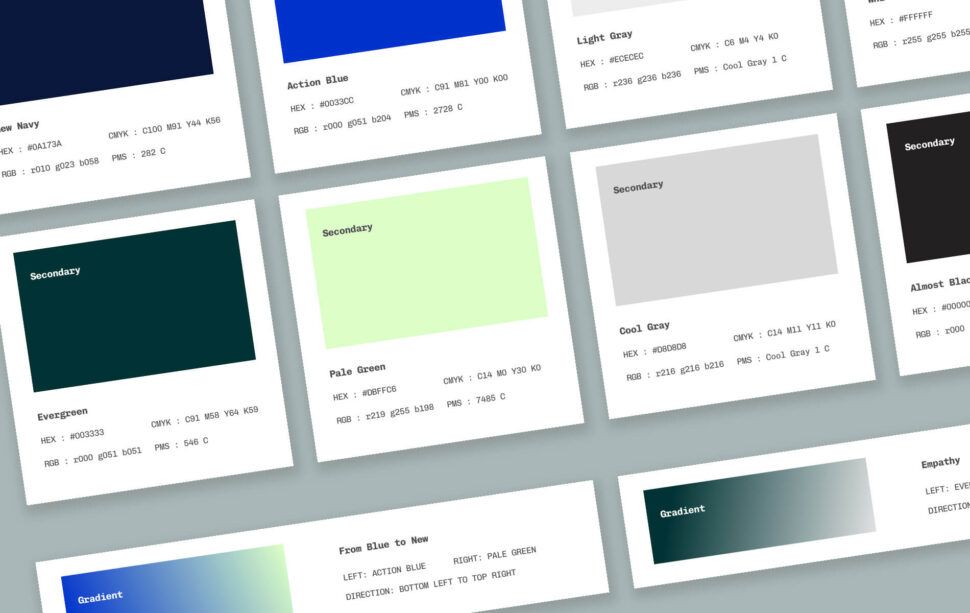
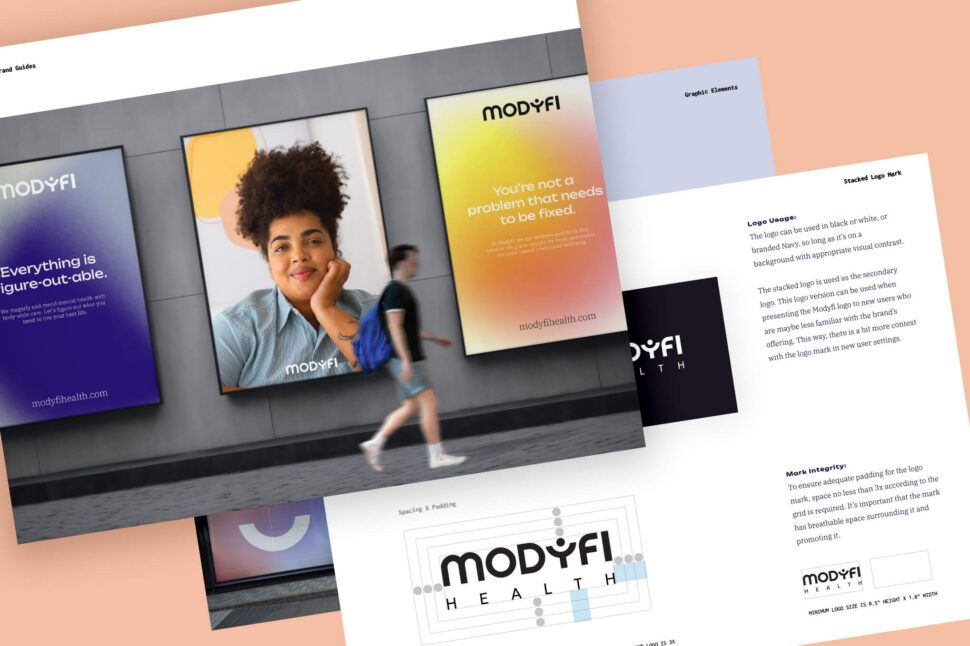
Document specific standards for your visual elements. For logos, include variations, clear space requirements, minimum sizes, and improper usage examples. For colors, define primary and secondary palettes with HEX, RGB, CMYK, and Pantone codes to ensure consistency across digital and print mediums. Typography guidelines should specify font families, sizes, and line spacing, while imagery standards should outline preferred styles, lighting, and subject matter.
Consistency in color palettes alone can improve brand recognition by up to 80%. For example, serif fonts might convey tradition and trust, while sans-serif fonts could feel modern and approachable. Choose elements that align with your brand’s personality.
"Your brand isn't what you say it is. It's what consumers recognize in an instant." – Jason Vaught, Director of Content & Marketing, SmashBrand
To help non-designers maintain consistency, provide pre-approved templates for social media posts, presentations, and emails. Specify technical requirements – like acceptable file formats (SVG for digital, EPS for print) – and minimum logo sizes to avoid low-quality reproductions. Host onboarding sessions for new hires and workshops for external partners to explain the rationale behind these standards.
When your visual identity and messaging are in sync, they create a cohesive brand experience that builds trust and recognition.
Implementing Brand Messaging Across Channels
Once your brand guidelines are in place, the next step is figuring out how to bring them to life across various channels. The trick is to adapt your voice and visuals to each platform while keeping the core message intact. The goal? A seamless experience that aligns with how people interact with each channel.
Here’s why this matters: 95% of customers interact with a brand through three or more channels in a single day. They might spot your Instagram post, browse your website, and then receive an email – all within hours. If your messaging feels disconnected, you risk losing their trust. In fact, 90% of potential customers expect a consistent experience across platforms. And when brands meet that expectation, it pays off – companies that maintain consistent messaging see an average revenue boost of 33%.
"Brand consistency is the thread that weaves together every interaction a customer has with your company." – Matthew Savener
Consistency doesn’t mean being identical everywhere. LinkedIn users expect professionalism, while TikTok audiences look for creativity and fun. Your voice remains steady, but the tone shifts to suit the platform. Achieving this balance requires clear processes, shared resources, and teamwork. These foundational steps pave the way for more specific, channel-based strategies.
Consistency Across Marketing Channels
Every marketing channel comes with its own set of rules, audience preferences, and technical limitations. LinkedIn is ideal for in-depth, professional content, Instagram thrives on eye-catching visuals, and Twitter (X) demands short, snappy posts. The challenge? Tailor your messaging to each platform without losing your brand’s identity.
A helpful tool for this is a messaging matrix – a guide that maps out your brand’s core messages and shows how to adjust them for each channel. For instance, if “innovation” is one of your key themes, you might post a detailed case study on LinkedIn, share a behind-the-scenes video on Instagram, and tweet a quick stat with a link to more information. The core idea stays the same, but the delivery changes to fit the platform.
To keep everyone aligned, centralize your brand assets using tools like Digital Asset Management (DAM) or Brand Asset Management (BAM) systems. These platforms ensure that all team members – whether in marketing, sales, or customer service – have access to the latest logos, templates, and visuals. Without this central hub, teams might use outdated materials, leading to inconsistencies.
Here’s a quick look at how to approach different channels while staying consistent:
| Channel Type | Primary Focus | Recommended Tone | Consistency Strategy |
|---|---|---|---|
| Social Media | Visuals/Short Text | Casual, engaging, or fun | Use a content calendar and platform-specific templates. |
| Direct Messaging | Personalized and empathetic | Leverage CRM data to tailor messages while staying on-brand. | |
| Tangible Visuals | Professional and polished | Ensure color codes (CMYK) match digital formats (RGB/HEX). | |
| Website | Information/UX | Informative and authoritative | Prioritize mobile optimization and high-quality visuals. |
| Professionalism | Thoughtful and formal | Use industry-specific language and focus on professional value. |
To tie everything together, ensure your channels connect seamlessly. Social media posts should direct users to your website, and email campaigns should match the look and feel of your landing pages. This creates a unified experience that strengthens your brand at every touchpoint.
Finally, establish workflows and governance to catch inconsistencies before they go live. Use multi-step approval processes – like design review, copy review, and legal sign-off – to ensure all content aligns with brand standards. Writing tools like Grammarly Business or Hemingway Editor can help maintain a consistent tone across teams. Regular audits, conducted quarterly or biannually, can help identify and fix any discrepancies across your channels.
"Consistency is the glue holding every message, visual element, and customer experience together." – Papirfly
On average, it takes 5 to 7 interactions for a customer to remember your brand. Each of those moments is a chance to build recognition – or confuse your audience. Consistency is the key to making those moments count.
Collaborating with Teams and Stakeholders
Even the best channel strategies won’t work if your teams aren’t aligned. When departments like content, social media, and PR work in silos, they often create their own interpretations of your brand guidelines. This leads to mixed messages and a fractured customer experience.
The solution? Start with a centralized knowledge base. This could be a shared drive, an internal wiki, or a dedicated brand portal. Make sure everyone – employees, freelancers, and agencies – knows where to find the latest guidelines.
Next, form cross-functional teams for key projects. For example, if you’re launching a new product, bring together representatives from content, social media, email marketing, and PR. These teams can align on messaging, share updates, and catch inconsistencies before they reach your audience.
Approval workflows are also essential. For instance, social media posts might require sign-off from a marketing manager, while press releases need legal review. These steps ensure that all content meets your brand standards before it goes public.
Interactive training sessions can also make a big difference. Instead of static PDFs, offer hands-on workshops for your marketing teams, agencies, and even non-marketing departments. When sales teams understand your messaging pillars, they can reinforce them in every pitch.
Don’t forget about external partners and influencers. Share your brand style guide with them and request content samples for review before approval. Choose partners who align with your values and audience – not just those with big followings. A partner who understands your brand will naturally communicate your message more effectively.
Finally, track your collaboration efforts. Measure operational metrics like content review times and the number of guideline deviations. If certain teams struggle with consistency, provide additional training or resources. Regular alignment meetings – monthly or quarterly – can help teams discuss challenges and share best practices.
When teams collaborate seamlessly, brand messaging becomes second nature. Everyone works with confidence, knowing they’re all telling the same story.

Auditing and Maintaining Brand Consistency
Keeping your brand consistent is crucial as your business grows and markets shift. Regular audits help ensure your messaging stays aligned with your core identity. Without these periodic reviews, even the strongest branding can lose its way. Trust is everything – four out of five consumers won’t buy from a brand they don’t trust, and inconsistent messaging can quickly erode that trust.
To avoid this, make brand audits a regular part of your routine. These check-ins can help you catch small issues before they grow into bigger problems. Research shows that companies conducting systematic brand audits experience revenue growth of 10% to 20%. The secret lies in knowing what to evaluate, when to do it, and how to adapt without losing what makes your brand unique.
Conduct Regular Brand Audits
A brand audit is your chance to take a hard look at what’s working and what’s not. Justin Lynch, a Brand Consultant at Avlier, recommends:
For businesses in fast-moving industries or experiencing rapid growth, DeeAnn Sims-Knight, Founder of Dark Horse PR, advises conducting audits every six months to ensure your messaging stays cohesive.
Start by defining your audit framework. Focus on key metrics like brand awareness, customer sentiment, and conversion rates to track your progress over time. Revisit the basics: Does your mission statement still reflect your goals? Is your unique value proposition still relevant to your audience? As markets evolve, your positioning should too.
Next, review all customer-facing content. Check for inconsistencies in tone, outdated messaging, or visuals that don’t align with your brand. A simple litmus test: ask yourself, “Does this sound like us?” and “Would our ideal customer be drawn to this?” If the answer is no, it’s time to make changes.
Don’t stop at external content. Evaluate internal perceptions by interviewing employees and external perceptions through customer surveys and social listening. If different teams describe your brand in conflicting ways, it’s a sign your documentation needs work. Dino Carter, Founder of D Branding, captures the essence of this issue:
"If you try to sell to everyone, you end up selling to no one. You must know who your target market is".
This gap between your brand identity (who you say you are) and your brand image (how others perceive you) often highlights areas needing attention. Even AI tools like ChatGPT or Gemini can give you insights into how your brand is being represented online, as these are becoming key discovery platforms.
To prioritize fixes, use a scoring system. Rate each brand element on a scale of 0–2: 0 means it’s missing, 1 means it’s partially aligned, and 2 means it’s fully aligned. Address the “0” scores within 30 days and the “1” scores within 90 days. This method keeps your team focused on the most pressing issues.
| Audit Component | Focus Area | Key Methods |
|---|---|---|
| Internal Branding | Company culture, values, employee understanding | Employee surveys, internal interviews, culture assessments |
| External Branding | Visual identity, messaging, PR, social media | Content sweeps, visual audits, website/SEO analysis |
| Customer Experience | Perception, service quality, sentiment | Customer surveys, social listening, review site analysis |
| Market Position | Competitor differentiation, UVP relevance | Competitor messaging analysis, market share tracking |
Once you’ve completed the audit, use the findings to refine your messaging and stay aligned with market trends.
Adapt Messaging to Market Changes
Consistency doesn’t mean being rigid. Markets change, customer expectations shift, and your messaging needs to evolve to stay relevant. Think of it like updating your wardrobe – your core identity remains, but your style reflects the times.
Set up a review schedule to keep things manageable. Fast-changing elements like websites, social media, and campaigns should be audited quarterly, while slower-moving aspects like visual identity and governance can be reviewed twice a year. This tiered approach helps you catch problems early without overwhelming your team.
When market dynamics shift, take an Integrated Marketing Communication approach to update all channels. For instance, if you’re adopting a more approachable tone, roll out the change systematically: update your brand guidelines, train your teams, and refresh your content in phases.
Before making major changes, test them in low-risk environments. Try revised messaging on specific email segments or landing pages and monitor how they perform. If engagement improves, expand the rollout. If not, tweak the messaging before going all-in.
Centralized governance is vital for consistency. A Digital Asset Management (DAM) system can ensure that all teams are using the latest approved messaging and visuals. AI tools can also help by scanning your website and social media for tone or visual alignment issues.
Refresh your brand guidelines at least once a year to keep them aligned with current market trends and business objectives. Hosting brand discovery workshops with leadership and marketing teams can uncover new insights and inform updates to your style guides. This proactive approach helps you stay ahead of changes rather than reacting to them.
The benefits are undeniable. Companies with strong brand consistency see revenue growth of 33%, and 88% of customers who trust a brand are likely to buy from it again. Regular audits and thoughtful updates ensure your brand remains relevant and trustworthy, fostering long-term loyalty.



How Visual Soldiers Ensures Brand Messaging Alignment
Keeping a brand consistent across all platforms isn’t just about good intentions – it requires careful planning and skilled execution. Visual Soldiers, a creative agency based in Atlanta, takes this challenge head-on by creating strategies and designs that ensure every customer interaction reflects the heart of your brand.
Visual Soldiers' Approach to Brand Strategy
Every project at Visual Soldiers kicks off with a detailed brand audit. This process dives into your current visual and messaging framework to uncover inconsistencies and pinpoint areas for improvement. From there, they collaborate with you to define the essential elements of your brand – its purpose, values, positioning, and promise. These act as a guiding compass for all future decisions.
To ensure your brand speaks with one voice, they establish clear standards for tone and personality. Recognizing that markets evolve, they also implement governance systems to differentiate between the brand elements that should remain constant and those that can adapt. Through workshops and annual reviews, they help you keep your communications and visuals aligned with shifting goals.
Once the strategic groundwork is laid, Visual Soldiers transforms these insights into impactful design solutions.
Custom Design Solutions for Consistent Messaging
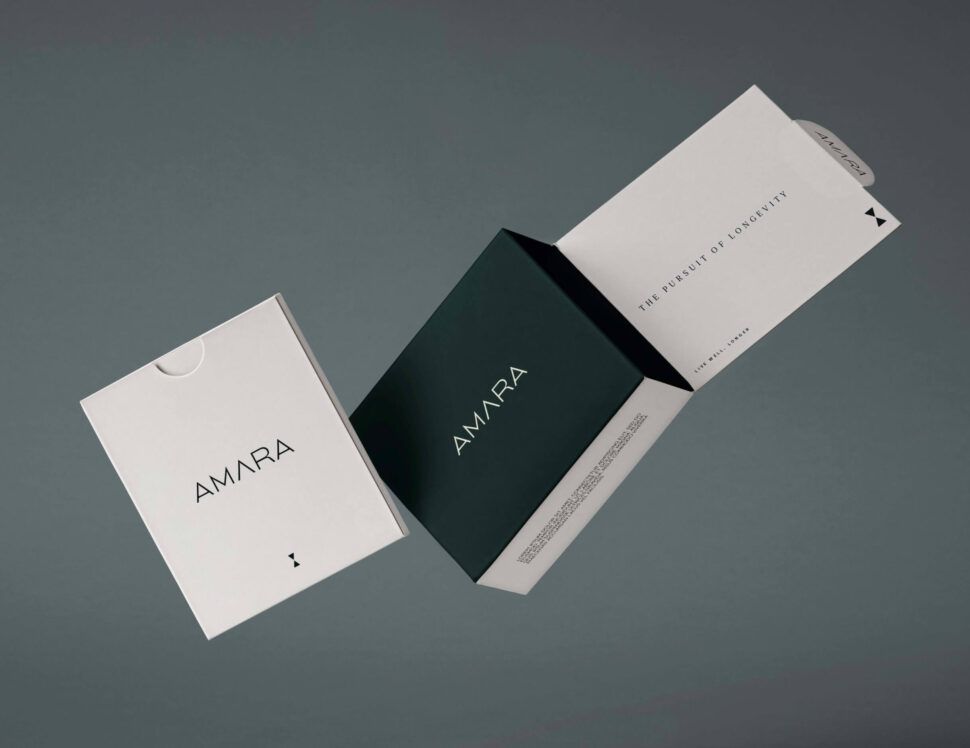
Visual Soldiers takes the strategy they’ve built and turns it into practical design assets that keep your messaging unified across all platforms. For example, their logo guidelines specify everything from minimum sizing to spacing rules, ensuring your logo looks sharp and professional in every context – whether digital or print.
They also create detailed color systems with HEX, RGB, CMYK, and Pantone codes, so your brand colors stay consistent no matter where they’re applied – be it on a business card, a billboard, or a mobile app. Whether it’s web and app design, packaging, or print materials, Visual Soldiers’ tailored designs not only maintain consistency but also strengthen your brand’s recognition and impact.
Conclusion and Key Takeaways
Building a consistent brand isn’t just a task – it’s an ongoing commitment that delivers measurable results. In fact, consistent brand messaging has been shown to increase revenue by 10% to 20%. By presenting your brand in a unified way, you create the trust needed to turn potential customers into loyal ones.
To get started, document your mission, vision, and values, and develop clear brand guidelines that outline your visual and verbal identity. Centralizing your assets ensures everyone uses the latest, approved versions, while training your entire team – beyond just marketing – helps maintain consistency across all departments. Regular audits and streamlined workflows, as previously discussed, are key to keeping your brand aligned as markets shift.
The “3 C’s” rule can serve as a simple guide: Consistency (stick to your style), Clarity (keep messaging concise and straightforward), and Character (showcase a distinct personality). Remember, it often takes 6 to 8 interactions for a consumer to even consider making a purchase, so every interaction counts.
For businesses serious about brand consistency, working with experts can make a world of difference. As mentioned earlier, a solid strategy is non-negotiable. Companies like Visual Soldiers specialize in helping Atlanta-area businesses build lasting brand foundations. From in-depth audits to custom design systems, they transform strategy into actionable assets that work seamlessly across all channels.
Establishing clear brand guidelines is the first step. Start today, and watch how consistent messaging leads to greater recognition, trust, and revenue.
Audit Your Brand Consistency
Discover where your messaging is helping — and where it’s quietly costing you trust. Book a complimentary brand consistency assessment with Visual Soldiers.
Book a CallFAQs
To keep your brand messaging sharp and on point, it’s wise to carry out a messaging audit annually. This ensures your brand voice matches your objectives, connects with your audience, and remains current in an ever-evolving market.
That said, if your business experiences major shifts – like a rebrand, introducing a new product, or adapting to market changes – it’s a smart move to revisit your messaging sooner to stay aligned.
A brand messaging guideline serves as a go-to resource for ensuring your brand communicates clearly and consistently across all platforms. It typically includes your brand purpose or mission, a positioning statement, and a value proposition – all of which explain why your brand exists and what makes it stand out.
These guidelines also break messaging into core themes that shape your brand story, alongside key messages tailored to specific situations. To ensure your messaging connects with the right audience, it defines target audience personas and specifies your brand voice and tone – whether that’s friendly, professional, or playful – with examples to maintain consistency.
On top of that, it often includes proof points like data or testimonials, call-to-action language to encourage engagement, and usage rules for designers, writers, and marketers. Together, these elements create a consistent “brand language” that keeps your brand cohesive and recognizable across every platform – from your website to social media and beyond.
To keep your messaging consistent, start by defining your brand’s personality and core values in a clear and detailed way. Create a style guide that covers everything – tone, voice, visual elements, and messaging rules. Share this guide with your team and any external partners to ensure everyone is on the same page.
Regular training sessions can help your team stay familiar with these standards, and using tools or software can make it easier to maintain consistency across all platforms. Make it a habit to review and audit your content periodically. Check that it reflects your brand identity across your website, social media, email campaigns, ads, and other channels. Staying organized and proactive will help you build a cohesive and recognizable brand image.

Visual Soldiers
Visual Soldiers is an Atlanta-based creative studio specializing in branding, design & digital experiences.