How Qualitative Research Shapes Brand Identity
Qualitative research helps brands understand why customers feel, think, or act a certain way. By focusing on emotions, motivations, and values, this method goes beyond numbers to reveal deeper insights into customer behavior. Here’s how it shapes brand identity:
- Emotional Connections: It identifies the feelings that drive trust and loyalty.
- Brand Perception: It highlights gaps between how a brand wants to be seen and how customers actually view it.
- Audience Language: It captures the words and tone customers naturally use, shaping messaging that feels relatable.
- Testing Designs: It evaluates logos, colors, and messaging to ensure they align with audience expectations.
- Real-World Insights: Observing customers in their daily environments reveals hidden behaviors and preferences.
From one-on-one interviews to focus groups and ethnographic studies, qualitative research provides actionable insights for building a brand that resonates with its audience. When brands invest in understanding their customers, they create stronger connections, improve recognition, and drive growth.
How to Conduct Research As a Freelance Brand Designer | Client Brand Design Process
Key Qualitative Research Methods for Brand Development
These qualitative approaches – ranging from one-on-one interviews to ethnographic observations – help fine-tune your brand’s identity by uncovering deeper consumer insights.
In-Depth Interviews
One-on-one interviews are a powerful way to understand how consumers talk about your brand and what truly matters to them . These conversations often reveal personal stories and compromises that shape how people perceive your brand. For example, PandaDoc discovered through interviews with sales professionals that their biggest frustration was the time it took to create documents. This insight led them to update their homepage messaging to emphasize simplicity: “create, manage, and e‑Sign docs with ease”.
Using techniques like the “5 Whys” can help dig beneath surface-level answers. By repeatedly asking “why”, you can uncover the deeper motivations behind a participant’s behavior. Recording these sessions allows for analysis of non-verbal cues – such as tone, facial expressions, and body language – which can add valuable context . A small sample size of 6–8 interviews per target segment is often enough to gather meaningful insights.
While individual interviews provide personal perspectives, focus groups can highlight broader, shared viewpoints.
Focus Groups
Focus groups bring together 5–10 participants for moderated discussions lasting 1–2 hours. These sessions are ideal for identifying shared language and “category codes” – terms and phrases audiences commonly use when talking about a product category. Group dynamics can reveal both areas of agreement and points of contention, offering a richer understanding of brand perceptions .
They’re especially useful for testing new visual concepts or prototypes. In these collaborative settings, participants can build on each other’s ideas, providing feedback that helps refine designs or narratives . Focus groups are also great for evaluating different storytelling approaches – such as varying benefits or tones – to determine which resonates most with your audience before launching a campaign. To ensure productive discussions, it’s best to keep the group size under 10 participants, as larger groups can stifle individual contributions and make moderation more challenging .
For deeper insights into real-world behaviors, ethnographic studies take a more observational approach.
Ethnographic Studies
Ethnographic research involves stepping into your customers’ world to observe their daily routines and spontaneous behaviors . This method captures what people do, not just what they say, helping to distinguish between their actual behaviors and their stated intentions. Watching how consumers interact with products in their natural settings can uncover hidden frustrations or emotional triggers that might go unmentioned in interviews .
Take the Cosmopolitan Hotel in Las Vegas as an example. In 2013, researcher Jesse Caesar interviewed frequent visitors to understand what was missing from their experiences. The findings inspired the creation of “Rose. Rabbit. Lie.”, a restaurant concept designed to deliver the novelty and excitement guests were craving. Ethnographic studies like this provide the depth and context needed to ensure your brand messaging aligns with the real-world experiences of your audience.

Using Qualitative Research to Find Audience Insights
Once you’ve collected data, the next step is transforming those observations into actionable insights for your brand. Qualitative research goes deeper than surface-level preferences, uncovering the emotional, social, and perceptual drivers behind consumer behavior.
Understanding Emotional Drivers
At its core, qualitative research is about uncovering the “why” behind consumer actions. It sheds light on emotions like trust and loyalty – things that raw numbers often miss. Through one-on-one interviews, researchers can pick up on subtle cues like body language, tone, and facial expressions, offering a window into participants’ genuine feelings.
Tools like empathy mapping can be incredibly helpful here. By categorizing what users say, think, feel, and do, brands can translate qualitative findings into strategies for sharper positioning. Similarly, narrative research dives into the personal stories people share about their experiences, helping brands understand how consumers attach meaning to their choices. As Qualtrics puts it, “People remember stories, not figures, so qualitative data is a great way to bring your insights to life”.
These emotional insights can also highlight gaps in how your brand is perceived.
Identifying Brand Perception Gaps
Sometimes, research uncovers tough realities – like a disconnect between how you want your brand to be seen and how customers actually see it. These perception gaps often fall into categories like identity, image, performance, and promise.
"In a very real sense, your customers own your brand. It is what they think it is. It promises what they say it promises." - Qualtrics
A qualitative-first approach can help uncover the reasons behind these gaps. For example, in-depth interviews can explore the “why” behind customer perceptions, while quantitative surveys measure the “how much”. Interviewing customers who have left for competitors is another valuable tactic – it reveals where your brand promise may have fallen short. Testing unbranded content (materials without your logo) is another smart move, as it removes bias and focuses attention on the product’s emotional impact. Before launching a campaign, it’s also worth testing headlines and claims to ensure they resonate and feel believable to your audience.
Social and Community Influences
Consumer behavior isn’t shaped by emotions alone; social values and community dynamics also play a major role. Qualitative research can uncover these influences. For instance, digital and social listening tools capture community conversations, showing how your brand fits into broader cultural discussions. AI-powered tools can even analyze data from dozens of sources to track brand sentiment in real time.
“Your brand is your identity but also a reflection of your customers’ identities: what they need and want, how it makes them feel, and how it solves their problems.” – Kate Meda, Content Specialist, Wynter
Ethnographic research takes this a step further by observing consumers in their natural environments. This approach reveals the social context behind behaviors and relationships. Online forums and niche communities are also treasure troves for understanding deep-seated opinions that traditional surveys might miss. Before entering a new market, it’s crucial to conduct semiotic and cultural checks to make sure your brand’s visuals and messaging align with local values. By understanding “category codes” – the shared language and meanings within a community – you can ensure your brand resonates authentically.
Agencies like Visual Soldiers use these qualitative insights to craft brand identities that genuinely connect with their audiences.
Testing Brand Elements Through Qualitative Research
Once you’ve gained a solid understanding of your audience, it’s time to test your brand elements. Qualitative research allows you to see if your messaging, visuals, and design choices truly connect with your target audience before committing to a full-scale launch.
Testing Messaging and Voice
Before introducing new messaging, it’s critical to ensure it resonates with the people you’re trying to reach. Message testing helps evaluate the clarity, credibility, and appeal of headlines, claims, and supporting statements. One-on-one interviews work well for exploring personal motivations and sensitive topics, while focus groups can highlight group dynamics and initial reactions to new ideas.
Try testing different narrative options and apply the “5 Whys” technique to uncover deeper customer motivations. Using your audience’s own language in your messaging can make your brand feel more relatable and authentic.
“Qualitative insights reveal the motivations behind customer behaviors, opinions, desires, and expectations.” – Kate Meda, Content Specialist, Wynter
Once messaging is tested, you can shift focus to the visual elements of your brand.
Evaluating Visual Identity
Testing visual components like logos, color schemes, and typography requires specific approaches. Techniques such as the 5-second test and preference comparisons are particularly effective. The 5-second test involves showing a design briefly to capture immediate impressions about style and trustworthiness. Preference testing, on the other hand, compares different designs to identify which resonates most, while randomizing the order of presentation to reduce bias.
Word choice exercises can also help refine perceptions. Open-ended word choice lets participants describe designs in their own words, while closed-ended options provide a predefined list of attributes for them to select from.
For the most accurate insights, test your visuals in real-world contexts. For instance, placing your logo on packaging, billboards, or digital ads can reveal how it performs in practical scenarios. A case in point: in January 2024, Lucky Saint used the Attest platform to test various versions of its “Dry January” campaign ads. By experimenting with logo placement and messaging, the team resolved internal disagreements and delivered one of their most successful campaigns to date.
Once your visuals are validated, you can move on to prototyping and refining your brand.
Prototyping and Feedback
Gathering feedback on early prototypes is a smart way to catch potential issues before a full launch. This iterative process allows you to tweak messaging, drop less effective claims, and focus on the directions that show the most promise.
For example, in January 2024, Sandra Schlicht, Oatly’s Business Insights Manager, used quantilope’s automated platform to conduct a branding study aimed at expanding Oatly’s image beyond its vegan roots. By testing prototypes with a broader audience, the study uncovered unmet needs in dairy alternatives and helped refine the brand’s positioning.
Another example comes from Starbucks’ “My Starbucks Idea” platform, which ran from 2008 to 2018. This initiative gathered feedback from customers around the world and led to over 275 implemented ideas, ranging from new product features to improvements in the customer experience.
When testing prototypes, it’s essential to randomize their presentation order to prevent learning bias. Combining qualitative interviews with methods that delve into subconscious responses can give you a fuller picture of both conscious preferences and underlying attitudes. These insights ensure that your brand strategy stays consistent from the early stages to the final rollout.
Agencies like Visual Soldiers use these testing methods as part of their brand development process, ensuring that their designs resonate with audiences before going live.
Applying Qualitative Insights to Brand Strategy
After gathering and testing qualitative insights, the next step is turning them into a brand strategy that connects emotionally with your audience, stands out in the market, and feels genuine. This phase bridges the earlier research and testing stages with actionable strategies that define how your brand communicates and positions itself.
Defining Brand Positioning
Qualitative research helps uncover what truly matters to your customers, making it easier to identify what makes your brand distinct. A useful tool here is the Three Cs Framework, which examines:
- Consumers: What value claims resonate with your audience?
- Competitors: What sets you apart from others?
- Company: Can you realistically deliver on your promise?
Start by analyzing qualitative data – like interview transcripts or focus group discussions – to spot recurring themes. These patterns reveal why customers choose certain brands or ignore others. Use this information to craft a clear positioning statement in this format:
“For [target market], Brand X is the only brand among [competitive set] that [unique claim/benefit] because [reason to believe]”.
For example, in 2019, Unilever found that its purpose-driven brands grew 69% faster, showing the importance of aligning brand positioning with societal or environmental values. Nike’s “Dream Crazy” campaign in 2018, featuring Colin Kaepernick, is another case in point. The message – “Believe in something, even if it means sacrificing everything” – tied directly to Nike’s “Just Do It” ethos. Despite controversy, the campaign boosted sales by 31%, proving the power of aligning brand identity with audience values.
"Brand positioning is about owning a unique position in the mind of the target consumer." – Qualtrics
A practical tool to structure your positioning is the Messaging House framework. Picture this as a house where the “Umbrella Statement” forms the roof, supported by three “Core Pillars” (key messages), all grounded on a “Foundation” of evidence and statistics. This approach ensures your positioning guides all communication, not just internal documents.
Beyond positioning, the way your brand speaks and the tone it uses are equally important in forming a lasting connection with your audience.
Shaping Brand Voice and Tone
Qualitative insights can also shape your brand voice by revealing the exact words, phrases, and tone your customers naturally use. Listening closely during interviews and focus groups allows you to capture the unfiltered language people use to express their needs, frustrations, and desires. These raw expressions become the foundation for your messaging. Collect these phrases into a “quote bank” and integrate them into marketing materials to ensure consistency.
“Qualitative insights reveal the language customers use when talking about your products, which directly reflects what they need and their values.” – Kate Meda, Content Specialist, Wynter
To establish a consistent voice, define 3–5 personality traits for your brand and create a “do’s and don’ts” list with example phrases for each trait. Then, apply this voice across all touchpoints, from product descriptions to customer support scripts, ensuring the tone feels consistent throughout the customer journey. Typically, 6–8 interviews per segment, plus one focus group, provide enough data to capture a range of motivations and language.
Developing Design Systems
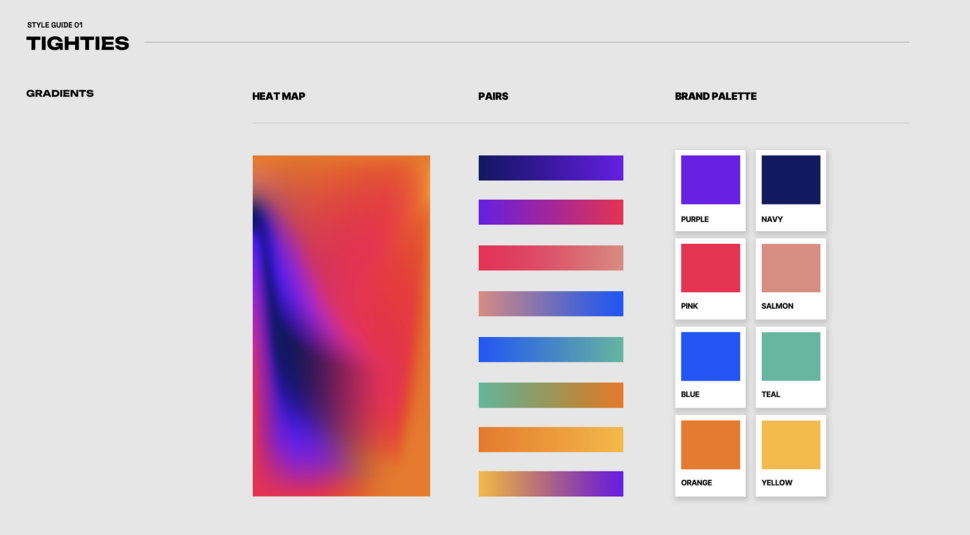
Qualitative research also informs the “why” behind visual preferences, helping you create design systems that resonate with your audience. For example, insights from research can guide decisions about color palettes, typography, and other design elements to reflect your brand’s personality traits.
In 2020, McDonald’s ran an ad campaign that relied solely on its iconic font and colors – no logos or product imagery. This bold move highlighted the strength of a cohesive visual identity where even individual elements could evoke the brand. Similarly, Bosch simplified its global branding by merging 17 separate guideline sets and 60 variations of a “home” icon into one unified design system. This streamlined approach allowed teams worldwide to access consistent templates and specifications for digital experiences.
“Your visual identity is the collection of visual elements… but it’s more than just those visuals – it’s also the documentation that ensures these elements are used consistently and appropriately across the business.” – Frontify
To ensure consistency, create reusable templates for common assets like social media posts and presentations. Test these visual elements using qualitative methods to confirm they evoke the intended brand associations. For example, Leonardo Hotels centralized its design system to manage content across multiple sub-brands and locations. This allowed local teams to create content independently while staying aligned with the master brand guidelines.
Visual Soldiers exemplifies this research-driven approach by linking qualitative findings to specific design choices and validating them through testing. This ensures the visual systems they create resonate deeply with the target audience, delivering a cohesive brand experience built on real insights.




Conclusion
Qualitative research plays a key role in shaping brand identities that truly connect with people. While quantitative data shows what customers do, qualitative insights dig deeper, uncovering the emotions, motivations, and language that drive their decisions. These insights provide the human context behind the numbers, turning raw data into actionable strategies that feel real and relatable. Small-scale studies, for example, can reveal the emotional triggers influencing audience behavior, offering a more meaningful perspective on customer choices.
"Qualitative research gives you the 'why' behind what's happening in your business, and brings a human dimension to quantitative data." – Qualtrics
The most successful brands embrace this approach. Companies that prioritize brand investment often see measurable results, such as increased sales and the ability to attract new customers. These outcomes are the result of listening to their audience, testing brand elements before launch, and refining their messaging based on honest feedback.
Key Takeaways
Qualitative research transforms observations into strategies that build compelling brand identities.
The journey to a brand that resonates starts with understanding your audience on a deeper level. Open-ended questions uncover emotional responses and reveal perception gaps that traditional surveys might miss. Testing messaging and visual prototypes through interviews and focus groups ensures that your brand feels clear and genuine. By adopting the language your customers naturally use, your brand voice becomes familiar and authentic, rather than forced or corporate.
Bridging perception gaps means mapping the emotional journey across every customer touchpoint – from initial awareness to support after purchase. Even small-scale studies, like conducting 6–8 in-depth interviews per segment and complementing them with a focus group, can expose the real motivations and barriers your audience experiences.
Moving Forward with Qualitative Research
Building a brand that stands the test of time requires a commitment to continually understanding your audience. As markets shift, trends evolve, and competitors adapt, qualitative research ensures your brand stays aligned with what your customers care about most. Revisiting brand elements in real-world contexts and testing them regularly helps refine messaging and maintain consistency.
A great example of this approach is Visual Soldiers. They use qualitative insights to guide design and brand strategies, validating visual systems and messaging through testing. Every element of the brand is built to resonate with its audience, creating a seamless and meaningful experience. By relying on genuine insights rather than assumptions, they ensure the brand stays relevant and impactful in an ever-changing market. Brands that invest in truly understanding their customers don’t just survive – they create lasting connections that fuel growth for years to come.
Most brands guess. The ones that win build from real insight.
At Visual Soldiers, we don’t just design brands. We engineer them around how people actually think, feel, and behave. From research to execution, every decision is backed by strategy that drives clarity, connection, and growth. If your brand isn’t resonating the way it should, there’s a reason.
Let’s Uncover ItFAQs
Qualitative research dives into the emotional ties that shape how consumers make decisions. Through approaches like interviews, focus groups, and ethnographic studies, brands can uncover personal stories, preferences, and motivations that shed light on what genuinely connects with their audience.
By tapping into these insights, businesses can create messaging and experiences that reflect their audience’s values and emotions, helping to build a stronger connection and a more relatable brand identity.
Focus groups offer a unique opportunity for businesses to gain direct insight into how their target audience thinks and feels. By observing participants’ real-time reactions and emotions, brands can better understand how they’re perceived and pinpoint areas where their messaging or identity might need adjustments.
Through these discussions, companies can tap into the deeper motivations and preferences of their audience. This kind of feedback helps fine-tune messaging, ensuring it aligns more closely with what customers value. Ultimately, these insights play a key role in shaping a brand’s strategy and building stronger, more meaningful connections with its audience.
Ethnographic studies focus on observing consumers in their everyday settings – whether at home, work, or public spaces – to gain a deeper understanding of how they interact with products and brands in real-life situations. This method goes beyond just identifying what people do; it delves into why they do it, uncovering emotional, social, and behavioral nuances that traditional surveys or data often overlook.
By observing real-world behaviors, researchers can pinpoint hidden needs, habits, or frustrations that consumers might not even be consciously aware of. For instance, watching shoppers navigate a grocery store could reveal subtle cues that drive impulse purchases. Similarly, observing workers on a factory floor might highlight inefficiencies that could inspire product refinements. These observations provide brands with a clearer picture of what truly influences consumer decisions.
At Visual Soldiers, we integrate these ethnographic insights to develop brand strategies and designs that genuinely resonate with how people live, work, and connect. This approach ensures that every element of a brand feels intuitive, relatable, and meaningfully tied to its audience.

Visual Soldiers
Visual Soldiers is an Atlanta-based creative studio specializing in branding, design & digital experiences.