March 4, 2026
5 Psychological Triggers in Luxury Packaging Design
-
Visual Soldiers
- Design
- minute read
5 Psychological Triggers in Luxury Packaging Design
Luxury packaging isn’t just about protecting a product – it’s about creating an emotional connection that justifies premium pricing. Brands like Tiffany & Co. and Apple use packaging to engage your senses, build anticipation, and signal exclusivity. Here are five key psychological triggers luxury brands use to elevate their packaging:
- Exclusivity: Limited editions and premium materials make products feel rare and desirable.
- Status Signaling: Understated, high-quality designs communicate success and sophistication.
- Sensory Engagement: Touch, sound, and texture enhance the unboxing experience and create a lasting impression.
- Color Psychology: Colors like black, gold, and signature shades evoke emotions tied to luxury.
- Anticipation Building: Layered designs and gradual reveals turn unboxing into a memorable ritual.
Luxury packaging transforms a simple purchase into an experience, reinforcing brand loyalty and creating keepsakes that consumers cherish.
How to Design Packaging for Luxury Brands
1. Exclusivity
Luxury brands thrive on creating a sense of rarity by intentionally limiting production. This isn’t about actual scarcity – it’s a calculated move to make products feel rare and, by extension, more desirable. Think about limited-edition releases or waitlists; these tactics tap into our innate desire to feel special and chosen. When something is harder to get, it automatically feels more valuable. This strategy works across all luxury categories – whether it’s handbags, fine wines, or jewelry. Both natural rarity (like exotic materials) and intentional rarity (like limited collections) amplify not just the product’s functional value but also its social and emotional appeal. Even the packaging becomes a cherished keepsake, a physical reminder that you own something extraordinary, not just another mass-produced item. Pair this with premium materials, and the effect is even stronger.
The use of premium materials adds to this exclusivity. Materials like wood evoke heritage, while velvet or silk exude luxury, and metallic foils radiate opulence. These aren’t just visual cues – they engage the senses. A soft, velvety texture, for example, can heighten emotional engagement by 275%, and 70% of consumers are more likely to purchase items with a soft-touch finish compared to standard packaging.
Scarcity messaging further amplifies this effect. When packaging includes phrases like “limited quantities” or “exclusive edition”, it creates a sense of urgency and triggers fear of missing out (FOMO). Suddenly, the packaging isn’t just a container – it’s a status symbol, a marker of belonging to an elite group. As LB Odendaal, Head of Design at IPL Packaging, puts it:
"Unusual or exclusive closures can signal to consumers that the product they're about to unveil is special and exclusive".
This approach does more than just increase desirability – it also justifies premium pricing. Researchers refer to this as “golden segregation” – a clear distinction between those who own the product and those who don’t. In this way, packaging becomes the opening act of the luxury experience, setting the tone for everything that follows.
Discover how Visual Soldiers brings premium packaging to life.
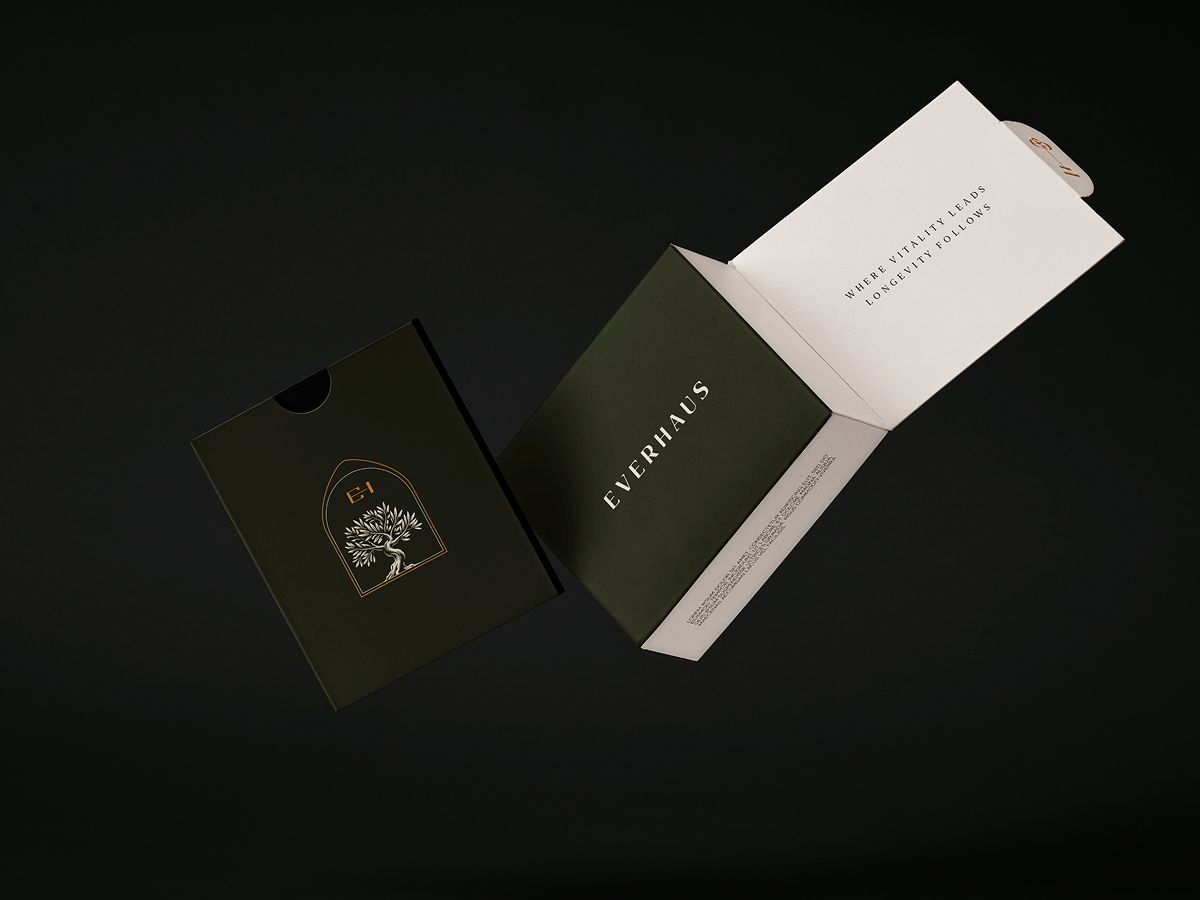
Checkout our latest case study for Everhaus.
2. Status Signaling
Luxury packaging does more than just protect a product – it sends a message. It plays on exclusivity and taps into our deep-rooted desire for social approval, turning packaging into a symbol of status. Think about it: carrying a Hermès orange box or a Tiffany blue bag isn’t just about the product inside. It’s about showcasing success.
This idea isn’t just marketing fluff – research backs it up. Packaging design and material quality are major factors in purchase decisions. But here’s the interesting part: high-status packaging doesn’t need to scream for attention. According to Cynthia Sterling, Creative Director at Sterling Creativeworks:
"High-status packaging cues include understated, even minimal, detailing. Simple, unique proprietary branding holds pride of place... This understated attitude reinforces the exclusivity of the product itself".
In other words, less is more. Minimalist designs with unique branding exude confidence and sophistication, creating a perception of exclusivity. This approach works thanks to the halo effect – consumers associate the simplicity and elegance of the packaging with the quality of the product inside. Premium touches like heavyweight paper that feels rich to the touch or makes a satisfying sound when handled, and perfectly balanced symmetrical patterns, further elevate this perception. Even color plays a role – signature shades or black packaging evoke power and refinement.
Luxury packaging also holds value beyond the initial unboxing experience. Unlike disposable mass-market packaging, these high-end containers are designed to be kept and displayed. That shoebox tucked away in your closet or the fabric bag hanging in your room acts as a constant reminder of indulgence and success. It’s no wonder that 61% of consumers are more likely to buy again when products come in premium packaging.

3. Sensory Engagement
Luxury packaging goes far beyond just looking good – it’s about creating a full sensory experience. The way a package feels in your hands, the textures it offers, and even the sounds it makes can forge a deeper connection with the product, reinforcing its high-end appeal.
Did you know that 50% of the human brain is dedicated to processing sensory input? This is why touch can play such a powerful role in how we perceive value. When you hold something in your hands, it can trigger psychological ownership and the “endowment effect”, making the item feel more valuable. As LB Odendaal, Head of Design at IPL Packaging, explains:
"In luxury packaging, quality materials create a sensory experience that leaves an indelible mark on customers when they view (as well as unbox) any product".
The small details in packaging are what truly elevate the experience. Features like embossing and debossing remind us of classic wax seals and stamps, hinting at authenticity and craftsmanship. The weight of the paper matters too – heavy, substantial paper that produces a soft, satisfying sound conveys luxury, while flimsy materials with sharp, high-pitched noises fall short. Even the simple “snap” of a magnetic closure can make opening a box feel like a special ritual.
Material choices also play a key role in telling the brand’s story. Velvet and silk suggest indulgence, wood brings a sense of tradition, and metallic foils radiate opulence. It’s no wonder that 67% of consumers say material quality is a critical factor in their purchasing decisions. That textured box doesn’t just protect the product – it convinces you that what’s inside is worth every penny.
4. Color Psychology
Color is often the first thing people notice in luxury packaging, instantly setting the tone for a product’s story. In fact, around 90% of customers base their purchase decisions solely on the color of a product and its packaging. That initial visual impression can make or break whether a product feels premium or ordinary. Like texture and material, color plays a pivotal role in connecting emotions to a brand’s essence.
Certain colors are strongly tied to luxury. Black, for example, is synonymous with sophistication and power. It’s a go-to choice for brands like Chanel and Gucci, creating a sense of timeless elegance. A study involving 741 participants across four food categories revealed that black elements on packaging were closely linked to perceptions of “premiumness”. Gold, on the other hand, exudes wealth and grandeur – brands like Rolex and Dom Pérignon use gold accents to immediately evoke a sense of extravagance.
Other colors also carry weight in luxury branding. White signals purity and modernity, perfectly showcased by Apple’s sleek, minimalist designs. Blue is associated with trust, and Tiffany & Co. has turned their signature shade into a symbol of quality and reliability. Meanwhile, red ignites passion and excitement, making it a popular choice for perfumes or exclusive, limited-edition items.
LB Odendaal, Head of Design at IPL Packaging, captures the importance of color in luxury branding:
"Colour is a powerful communicator inherently linked to human emotions and perceptions and is a vital component of luxury packaging".

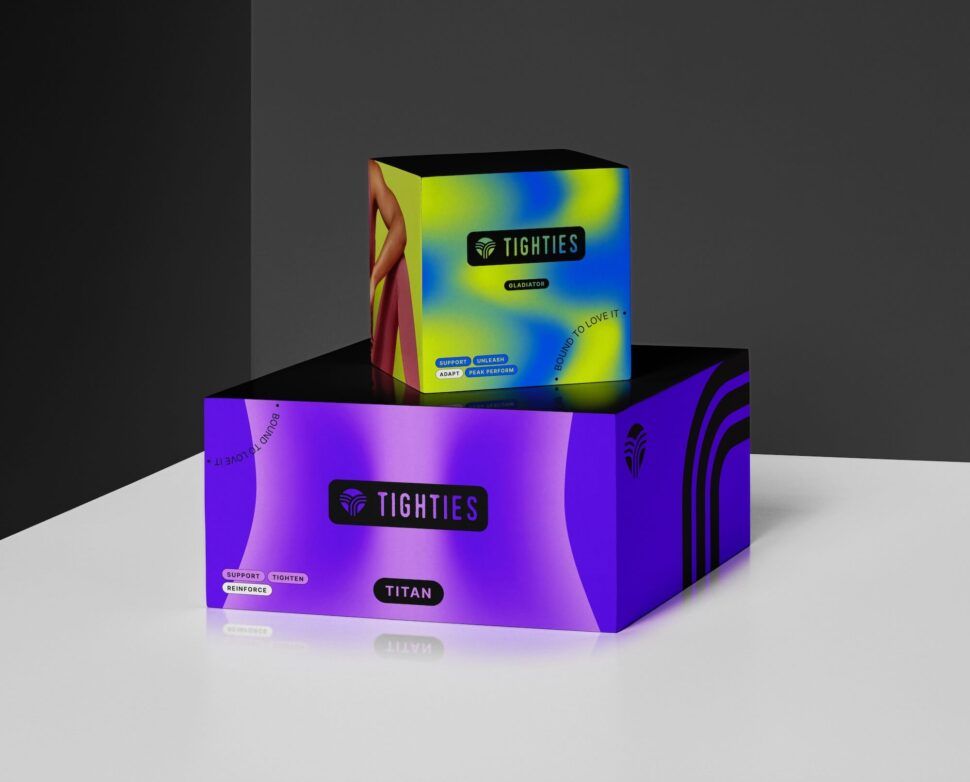
Choosing the right colors means understanding your audience. While black, blue, and white resonate with a broad luxury market, brighter shades like hot pink or purple can appeal to younger, aspirational buyers. Metallic accents, when used sparingly, can elevate a design – but too much gold or silver can have the opposite effect, making it feel less refined. Thoughtfully chosen colors, paired with other sensory elements, enhance the overall luxury experience, amplifying the sense of exclusivity and prestige.
5. Anticipation Building
Luxury unboxing isn’t just about opening a box – it’s about crafting an experience. By intentionally delaying the product reveal, luxury packaging turns unboxing into a ritual. Every step, from peeling back tissue paper to opening hidden compartments, builds excitement. Elements like magnetic clasps, pull tabs, and layered designs make the process feel like a journey, not just a transaction.
Don Keller from Catalpha explains it best:
"One of the biggest differentiators between standard and luxury packaging is the degree of interaction required. High-end products take consumers on a journey of discovery."
This gradual process taps into the brain’s reward system, prolonging the pleasure of receiving something new. It’s not just about the product – it’s about the emotional buildup leading to the reveal.
A key concept in luxury packaging is the idea of a “present within a present.” Each layer adds emotional value, making the final reveal even more special. For example, a rough-textured outer box might give way to soft velvet or silk linings, creating a sensory contrast that feels indulgent. These thoughtful details not only enhance the unboxing experience but also encourage social sharing, as people love showcasing these intricate designs.
Luxury packaging often hides subtle surprises – like refined interior finishes, embossed logos, or even a faint signature scent. The sound of a magnetic clasp or the weight of high-quality paper adds to the overall feel of exclusivity. These small, intentional touches reward discovery and contribute to the sense of luxury.
Keepsake elements, such as year-stamped medals, elegant ribbons, or origami flowers, can extend the unboxing experience long after the product is revealed. These details serve as lasting reminders of the brand, reinforcing its identity and justifying the premium price. When done right, opening the package becomes as memorable and valuable as the product itself.
Ready to elevate your brand with packaging that connects on an emotional level?
Book a Discovery CallConclusion
Luxury packaging isn’t just about wrapping a product – it’s about crafting an experience. It combines exclusivity, status, sensory appeal, color psychology, and anticipation to create something consumers don’t just purchase but remember and share. Every element works together to elevate a simple transaction into something much more meaningful.
At its core, consumer psychology shows us that emotions drive buying decisions, while logic steps in to justify what feelings have already decided. As Cynthia Sterling, Creative Director at Sterling Creativeworks, puts it: “Intellectual facts simply provide justification for the driver of decisions: emotion”. From the satisfying click of a magnetic clasp to the smooth texture of an interior lining, every detail is designed to build an emotional connection that turns packaging into more than just a container – it becomes a keepsake.
When done right, luxury packaging becomes so much more than functional. It tells a story, acts as a silent advocate for the brand, and sticks around – literally. Instead of being tossed aside, it’s kept, reused, and even cherished, reinforcing brand loyalty long after the initial purchase.
Whether you’re designing for brands that exude status or indulgence, the goal is the same: create a multisensory experience that speaks to both the conscious and subconscious. When every design element is thoughtfully executed, packaging doesn’t just hold a product – it becomes a lasting symbol of the brand itself.
FAQs
Luxury packaging sets the stage for a product, shaping consumer perception before they even get to the item itself. Using high-quality materials, flawless finishes, and distinctive designs, it conveys an air of exclusivity and sophistication. This taps into psychological principles like the halo effect, where premium packaging makes the product inside seem superior and more desirable.
But it’s not just about looks – luxury packaging is a multi-sensory experience. The soft texture of premium paper, the solid weight of a well-crafted box, or the gentle “click” of a lid closing all add to the feeling of indulgence. These thoughtful details reflect craftsmanship and create an emotional connection, making consumers more willing to pay a premium and come back for more.
For brands aiming to stand out in the competitive U.S. market, Visual Soldiers specializes in designing packaging that leverages these psychological cues, elevating your product’s appeal to high-end buyers.
Color plays an important role in packaging design, especially when aiming to create a sense of luxury and exclusivity. Deep shades like black, midnight blue, or jewel tones exude sophistication and elegance, while metallic accents – think gold, silver, or rose-gold – bring a touch of opulence. These carefully chosen elements immediately communicate quality and prestige to potential buyers.
In the U.S., selecting colors that align with cultural preferences and combining them with premium materials can enhance the overall sense of luxury. The right use of color doesn’t just boost a product’s perceived value; it also helps justify higher price points and forges an emotional connection with customers who appreciate finer details. Visual Soldiers excels at applying these principles, creating custom designs that truly connect with high-end audiences.
Luxury packaging goes beyond just looking good – it’s about creating an experience that engages the senses and radiates exclusivity. The texture of high-quality materials, the solid weight of the box in your hands, or the satisfying “click” when you close the lid – all these details come together to form an emotional connection that makes the product feel more valuable and prestigious.
But it’s not just about how it looks or feels. Features like textured finishes, metallic accents, subtle fragrances, and even the sound of unsealing the package amplify the unboxing experience. These thoughtful touches leave a lasting impression, justify premium pricing, and foster strong brand loyalty. Visual Soldiers excels at crafting luxury packaging that weaves a sensory narrative, ensuring every element aligns with a brand’s upscale identity.

Visual Soldiers
Visual Soldiers is an Atlanta-based creative studio specializing in branding, design & digital experiences.