March 13, 2026
Case Study: Timeline Planning for a Rebranding Project
-
Visual Soldiers
- Branding
- minute read

Case Study: Timeline Planning for a Rebranding Project
Rebranding is complex, but planning makes it manageable. This case study shows how Visual Soldiers, a branding agency, executed a rebranding project for a SaaS company with precision, meeting tight deadlines and staying within budget. The project, driven by the need for a modernized brand identity, followed a structured 6-month timeline divided into five key phases: discovery, strategy, design, development, and rollout.
Key Takeaways:
- Timeline: 6 months (24–26 weeks), aligned with a major industry conference.
- Budget: $180,000–$220,000, allocated across research, design, development, and launch.
- Phases:
- Discovery (4–5 weeks): Research, audits, and alignment.
- Strategy (3–4 weeks): Positioning, messaging, and tone.
- Visual Design (5–6 weeks): Logo, color palette, and design system.
- Development (7–8 weeks): Website UX/UI and content migration.
- Rollout (3–4 weeks): Internal training, asset distribution, and launch.
- Tools: Asana, Notion, Figma, Miro, and Slack for task management, design, and communication.
- Results: Improved website engagement, conversions, and brand perception.
The team avoided delays and scope creep by setting clear milestones, using a risk register, and prioritizing tasks. Their phased approach ensured a smooth rebrand launch with measurable business outcomes.
6-Month Rebranding Timeline
Discovery to Launch · $180K–$220K · 24–26 Weeks
- Stakeholder interviews
- Brand audit
- Competitor analysis
- Discovery report delivery
- Mission & vision workshops
- Positioning statement
- Messaging hierarchy
- Tone of voice guidelines
- Logo concepts (2–3 directions)
- Color palette & typography
- Brand guidelines (PDF & web)
- Template creation
- UX design & wireframes
- UI design (3 weeks)
- Front-end development (5 weeks)
- QA & testing
- Internal brand training
- Asset distribution
- Website DNS cutover
- Social media coordination
Project Background and Objectives
Client Profile and Challenges
The client, a mid-sized B2B SaaS company, operates in the productivity and collaboration space, generating $15–25 million in annual recurring revenue. Their customer base spans the United States, and their business hinges on a subscription-based model. However, while their product innovations were ahead of the curve, their brand image lagged behind. The visual identity was plagued by outdated designs and inconsistent messaging, which left customers describing the brand as “generic” and indistinguishable from competitors, according to surveys and Net Promoter Score feedback.
Website analytics painted a similar picture: 50–60% bounce rates on key pages and poor free trial conversions highlighted a disconnect between the brand and its audience. Meanwhile, newer competitors with more modern, design-forward branding were gaining traction, further amplifying the client’s challenges. Compounding this, the company was gearing up for a Series C funding round and an expansion into enterprise accounts, where a polished and distinctive brand is critical. Internally, the absence of a dedicated brand manager and conflicting views among sales, product, and customer success teams only added to the complexity of defining what the brand should represent.
Project Scope and Goals
The rebrand, led by Visual Soldiers, focused on three main areas: brand strategy, verbal and visual identity, and digital assets.
- The brand strategy phase tackled positioning, value proposition, audience personas, and brand architecture to clarify the company’s competitive edge.
- Verbal identity work established a cohesive brand story, messaging hierarchy, and tone of voice to ensure consistency across all platforms.
- The visual identity system introduced a redesigned logo, refreshed color palette, updated typography, and a new illustration style. These changes modernized the brand while preserving elements familiar to existing customers.
On the digital front, the project included a marketing website redesign with revamped landing pages, email templates, social media assets, and sales enablement decks. To stay on track with the timeline and budget, certain elements – like a full app UI overhaul, physical office signage, large-scale event materials, and international localization – were deferred to a post-launch Phase 2 roadmap.
The rebrand was tied to clear business objectives:
- Increase qualified inbound leads by 20% within six to nine months
- Boost free-trial-to-paid conversion rates by 5–10%
- Shorten time-to-close for enterprise deals
Brand-specific KPIs included improved brand recall (both unaided and aided), better engagement on key website pages, and higher consistency scores in internal brand audits.
Timeline and Budget Constraints
The project was driven by a firm deadline: a major industry conference six months away, where the company planned to showcase its new branding and website. Visual Soldiers divided the project into five distinct phases over 24–26 weeks:
- Discovery & Alignment (4–5 weeks)
- Brand Strategy Development (3–4 weeks)
- Visual Identity & Design System (5–6 weeks)
- Digital Experience & Web Development (7–8 weeks, with overlapping sprints)
- Launch Planning & Rollout (3–4 weeks)
The total budget ranged from $180,000 to $220,000, covering agency fees, research, design, development, and launch activities. Budget allocation was split as follows:
- 25–30% for discovery and strategy
- 30–35% for visual identity and design systems
- 35–40% for digital experience, including UX, UI, and front-end development
Due to limited internal engineering resources, the web rollout was prioritized. Key pages like the homepage, pricing, product overview, and top-converting landing pages were developed first, leveraging a component-based design system to streamline the process. A detailed project brief and RACI framework (Responsible, Accountable, Consulted, Informed) ensured clear decision-making. The CMO was accountable for final decisions, product and sales leaders were consulted, and the executive team was only informed at key milestones to avoid last-minute disruptions.
These well-defined constraints provided the foundation for a carefully orchestrated timeline, which is detailed in the following framework.
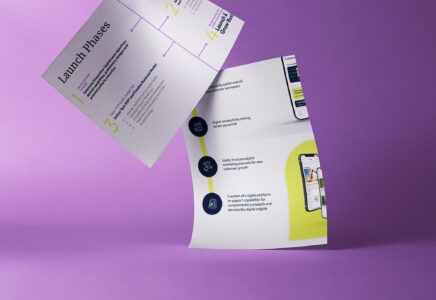
Timeline Planning Framework
Phased Workflow Approach
Visual Soldiers structured their rebranding process into five distinct phases to ensure smooth progress and clear decision-making. The journey began with Discovery, a phase lasting 4–5 weeks. During this time, they gathered input from stakeholders, audited existing brand assets, and analyzed competitors. This phase resulted in a comprehensive research summary and project brief, serving as the foundation for all subsequent work. Next came Brand Strategy Development, which took 3–4 weeks. Here, insights from the discovery phase were translated into positioning statements, messaging hierarchies, and brand architecture. No design work moved beyond initial concepts until this strategy was formally approved, avoiding misaligned efforts.
The Visual Identity and Design System phase followed, spanning 5–6 weeks. During this time, early creative directions were tested against the positioning framework, ensuring alignment. Then came Digital Experience and Web Development, a 7–8 week phase organized into overlapping sprints. UX and wireframe development began as soon as core visual directions were finalized, and front-end work started once key templates and components were approved. The final phase, Launch Planning and Rollout, lasted 3–4 weeks. However, planning activities like asset inventories, redirect maps, and communication timelines were initiated mid-project, allowing the final weeks to focus solely on execution. Each phase had clear entry and exit criteria, such as “strategy deck approved” or “design system version 1 finalized”, ensuring that teams moved forward with confidence and clarity.
Key Milestones and Decision Points
The framework incorporated key milestones to maintain momentum and ensure progress was measurable. At the end of Discovery, a Discovery Sign-Off confirmed that the research report, problem statement, and business objectives were approved by stakeholders. The Brand Strategy Approval milestone marked the conclusion of the strategy phase, locking in positioning statements, messaging pillars, and brand personality – critical elements that informed the visual identity work and reduced the risk of rework.
During the design phase, two major checkpoints stood out: Concept Direction Selection, where the client reviewed 2–3 fully developed visual concepts and chose a primary direction, and Design System Lock v1, finalizing the logo suite, color palette, typography, and core components for subsequent web and collateral production. In the development phase, milestones included UX & IA Sign-Off, which approved site maps, user flows, and wireframes, and Staging Site Ready, ensuring the staging environment reflected the new design and content for quality assurance.
The final milestone, Launch Readiness Review, confirmed that all technical tasks – like redirects, tracking codes, and backups – were complete, alongside content updates and communication assets, before the go-live date. Every milestone was meticulously documented with an owner, due date (in MM/DD/YYYY format), required artifacts, approval criteria, and designated approvers, creating a clear and objective definition of “done.”
Tools for Planning and Tracking
To keep the rebranding project organized, Visual Soldiers used a variety of tools. Asana was the primary task management platform, with a project board reflecting the five phases. Tasks were divided into work streams with assigned owners and deadlines, while Gantt and timeline views highlighted milestones, helping to identify bottlenecks and reallocate resources as needed.
Notion served as the central hub for the master project brief, research summaries, and decision logs, ensuring both the team and the client had access to the latest updates. For design work, Figma was the go-to tool, with frames neatly organized by phase and milestone to visualize progress. Miro played a key role in strategy work, hosting customer journey maps, strategy frameworks, and workshop outputs from the Discovery and Strategy phases. Communication was streamlined through Slack, with dedicated project channels and threads linked back to Asana tasks for easy tracking. Additionally, shared Google Calendar events marked milestone reviews and the go-live timeline, ensuring all stakeholders were on the same page. These interconnected tools and integrations kept the project running smoothly and the timeline on track.
Phase-by-Phase Timeline Breakdown
Discovery and Alignment
Visual Soldiers kicked off the project with a 4–5 week Discovery phase, laying the groundwork for everything to come. During the first two weeks, they conducted stakeholder interviews with executive leadership, marketing, sales, and customer-facing teams. They also performed a brand audit, reviewing the existing website, social media, sales materials, and physical signage, while analyzing competitors to pinpoint market positioning gaps. By week three, the team delivered a Discovery Report that outlined their findings, a competitive landscape matrix, and a detailed project timeline with clear roles and responsibilities. The phase culminated in formal client sign-off, aligning on rebranding goals, key performance indicators (KPIs), and a phase-by-phase schedule with a budget in USD. Tim Muenchen, VP of Sales & Marketing at FLS Transport, praised the team as “world class with the discovery, review and delivery process”, emphasizing their thoroughness and alignment before diving into creative work. With everyone on the same page, the project moved into defining the strategic brand framework.
Brand Strategy Development
Over the next 4 weeks, the team transformed the insights from the Discovery phase into a robust brand platform. This included crafting the mission, vision, core values, audience personas, value propositions, and a unique positioning statement to guide creative decisions. Two half-day workshops with leadership were held to co-create the mission and vision, prioritize target audiences, and test the positioning against competitors. Deliverables included a brand strategy deck, a messaging hierarchy with a corporate narrative and audience-specific key messages, and tone-of-voice guidelines. Two review sessions ensured the strategy was locked in before moving forward. Matt Murphy, CEO of Kids in the Game, reflected, “The team helped us through a major rebrand, taking a fresh look at our industry, our company, our values, our personality, and our messaging.” These strategic elements provided a clear direction for the next phase: building a visual identity.
Visual Identity and Design System
The 6-week Visual Identity phase began with two weeks of concept exploration. Visual Soldiers developed 2–3 logo and visual directions rooted in the approved brand strategy. Once the client chose a direction, the team spent the next two weeks refining the logo, typography, color palette, iconography, and photography guidelines through several feedback rounds. The final two weeks focused on creating a complete design system, including digital and print guidelines. Deliverables included a brand guidelines document (available in both PDF and web formats), business cards, letterhead, slide deck templates, social media templates, and digital ad examples. Key milestones included selecting the visual direction, approving the logo lockup, and signing off on the brand guidelines. This seamless transition set the stage for web development.
Digital Experience and Web Development
The 10-week Digital Experience phase began with two weeks dedicated to UX design, including sitemap creation, user flows, and low-fidelity wireframes. Sitemap approval was treated as a standalone milestone to avoid scope creep. Three weeks of UI design followed, leading to a design freeze. Meanwhile, a content migration phase ran alongside a five-week development cycle, concluding with a one-week code freeze for QA and testing. A content freeze was implemented three weeks before launch to prevent any last-minute structural changes. The final week focused on accessibility checks, performance optimization, and cross-browser testing. Suzaan Steyn of HFC Interiors shared, “Their expertise, creativity, and attention to detail were evident from the start. They were highly responsive throughout the entire process, accommodating our requests and revisions with professionalism and efficiency. The team’s collaborative approach and commitment to excellence made the experience both smooth and rewarding.”
Launch Planning and Rollout
The 4-week Launch Planning phase ran concurrently with the finalization of digital assets. Two weeks before launch, internal enablement began with brand training, FAQs, and updated communication tools to ensure employees were ready to represent the new brand. Externally, the team executed a coordinated rollout across the website, social media, email templates, and paid media, using a shared calendar to track tasks and deadlines. The website cutover and social announcements were timed to align with U.S. business hours for maximum impact. Key milestones included completing internal training, distributing all assets, switching the website DNS, and the official public announcement. To ensure the rebrand delivered measurable results, Visual Soldiers implemented a 30/60/90-day review schedule to track metrics like website traffic, engagement, lead volume, and brand search interest. These structured efforts ensured the rebrand not only launched smoothly but also delivered lasting business value.





Risk Management and Project Outcomes
Anticipated Risks and Mitigation Strategies
While the timeline and milestones provided a solid roadmap, planning for potential risks was crucial to keeping the rebrand on track. During the kickoff phase, Visual Soldiers identified common risks, such as delays in stakeholder decisions, uncontrolled scope creep, content bottlenecks, and technical dependencies. These were documented in a risk register, with each risk assigned an owner, rated for its likelihood and impact, and paired with a contingency plan. Strategies included pre-scheduled decision workshops, time-boxed feedback windows, strict revision limits, parallel content workflows, and technical discovery sprints to address challenges before build milestones.
To avoid decision delays at critical points – like strategy sign-offs, design approvals, and launch decisions – the team scheduled all major meetings upfront and prepared clear decision criteria along with pre-read materials 24–48 hours before each milestone. Structured workshops replaced lengthy email threads, and internal client champions were enlisted to streamline executive feedback and shorten approval cycles, ensuring the project stayed on track.
To prevent scope creep, the team maintained a fixed baseline scope outlined in the statement of work and timeline. This included a detailed inventory of deliverables, such as the number of logo options, page templates, and collateral pieces, along with limits on revision rounds per phase. Any additional requests were treated as change orders, each with a clear estimate of time and cost, requiring a decision to either swap an existing item, extend the timeline, or increase the budget. Bi-weekly scope reviews with the client ensured transparency, allowing for strategic additions without jeopardizing the original launch window.
Adjustments and Contingency Planning
When delays arose, the team adapted by advancing independent tasks like building design systems and component libraries while deferring content-heavy pages. If technical debt surfaced during development, short remediation sprints were added, and non-critical features were shifted to a post-launch phase. For more complex issues, such as inconsistent internal feedback, alignment workshops were scheduled, and existing time buffers were used. This approach preserved the final launch date by tightening intermediate review periods and consolidating smaller deliverables.
The project plan included built-in time buffers – typically 2–5 business days at the end of major phases – to handle rework. A short stabilization period before launch ensured quality assurance and final adjustments. Critical-path tasks were clearly mapped, and parallel workstreams were employed whenever possible. For example, information architecture and content guidelines were developed alongside early visual exploration, while front-end scaffolding began before final copy was completed. Non-critical items, like secondary page templates or extended collateral, were deferred to a Phase 2 rollout, ensuring that any delays in one area didn’t affect the primary launch.
Measurable Outcomes and Key Takeaways
This structured approach led to clear results: the project launched on time, stayed within budget, and required fewer iteration cycles compared to similar past efforts. Post-launch analytics highlighted tangible improvements, including higher homepage engagement, better conversion rates on primary calls-to-action, and stronger brand perception in surveys. Internally, the client reported quicker asset deployment and fewer ad hoc design requests, thanks to the comprehensive new design system. These outcomes underscored the value of early planning and phased milestones.
Within 3–6 months, the impact was measured through both quantitative and qualitative metrics, with a focus on financial outcomes and overall business performance. Stakeholder interviews and customer feedback captured insights into brand clarity, trust, and consistent visual identity across all touchpoints. These evaluations confirmed that the risk management strategy and phased timeline delivered predictable execution and meaningful results.
Key takeaways included the importance of early alignment and tight feedback loops over lengthy review periods and the need to make explicit tradeoff decisions – balancing scope, time, and budget – throughout the process. Front-loading discovery and technical assessments reduced surprises later, while distinguishing between critical and “nice-to-have” deliverables helped protect the go-live date. For future U.S.-based rebrands, Visual Soldiers plans to continue using risk registers, building buffers into major milestones, and conducting post-mortem reviews to refine their approach and ensure strong ROI.
Conclusion
This case study highlights how a well-structured rebrand can succeed when approached with a clear, strategic plan. The project stayed on schedule and within budget because the team treated timeline planning as a key priority, not an afterthought. By dividing the rebrand into distinct phases – discovery, strategy, design, development, and rollout – each with specific milestones, Visual Soldiers avoided the common pitfalls that often derail similar efforts. This methodical approach created a solid foundation for the smooth execution detailed throughout.
The main takeaways are clear: secure alignment early on goals, scope, and decision-making processes to avoid delays caused by mid-project disagreements. Tie milestones to business outcomes, not just deliverables, so the team can focus on what’s truly important under tight deadlines. Plan for contingencies around critical moments – like naming, legal approvals, or CMS integration – to ensure unexpected changes don’t jeopardize the timeline. Centralized tools and asset management systems also played a crucial role in simplifying collaboration and reducing costly revisions as the brand elements expanded across various platforms.
Visual Soldiers’ phased approach enabled the team to concentrate on one key deliverable at a time while keeping momentum across concurrent workstreams. Prioritizing high-impact elements early – such as core web templates, flagship materials, and brand guidelines – helped control costs and safeguarded the launch date, even when adjustments became necessary.
FAQs
Rebranding can feel like an overwhelming task, but breaking it down into clear steps can make the process much smoother. Here’s how a typical rebranding journey unfolds:
- Discovery and research: Start by digging deep into your audience’s preferences, studying your competitors, and understanding how people currently perceive your brand. This groundwork sets the stage for everything else.
- Strategy development: With the insights from your research, define your brand’s vision, messaging, and overall goals. This step acts as the blueprint for the entire rebranding process.
- Concept and design: Bring your new brand identity to life by crafting visual elements (like logos and colors) and conceptual themes that resonate with your updated direction.
- Implementation: Roll out the new branding across all platforms – your website, social media, packaging, and any other customer touchpoints.
- Evaluation and refinement: Once the new branding is out in the world, take a step back to assess its impact. Gather feedback and make tweaks to ensure everything aligns with your goals.
By approaching rebranding step by step, you can keep the process organized and ensure it delivers the results you’re aiming for.
To ensure your rebranding project stays on course, begin with a well-structured timeline that outlines key milestones. Make sure resources are distributed wisely, and every team member knows exactly what’s expected of them. Regular check-ins and progress updates are crucial to tackle any delays or budget issues before they escalate.
Adopting a phased strategy can help keep the project manageable and avoid unnecessary expansions in scope. Keep a close eye on progress, be ready to tweak plans when necessary, and maintain flexibility to meet deadlines and stick to the budget.
Managing a rebranding project successfully involves using the right mix of tools to keep things organized, efficient, and on track. Project management platforms like Asana or Trello are great for mapping out tasks and deadlines, giving everyone a clear view of what needs to be done and when. To keep communication flowing smoothly, tools like Slack or Microsoft Teams are invaluable for team discussions and updates. When it comes to creative work, design software such as Adobe Creative Cloud is a must-have for producing high-quality visuals.
Staying on schedule is equally important, and that’s where timeline and milestone tracking systems come into play, helping to monitor progress and ensure goals are met. Throughout the process, regular feedback and open communication are essential to keep everything aligned with the project’s objectives and expectations.

Visual Soldiers
Visual Soldiers is an Atlanta-based creative studio specializing in branding, design & digital experiences.